Key Takeaways
- This week, Mining Technology reported that Colombia’s government has pressed Glencore to engage in talks with local authorities and communities regarding the impending closure of the Cerrejon coal mine in La Guajira.
- The request underscores the broader socio-economic implications of the mine’s closure, which could significantly impact the region’s economy and the livelihoods of local […]
This week, Mining Technology reported that Colombia’s government has pressed Glencore to engage in talks with local authorities and communities regarding the impending closure of the Cerrejon coal mine in La Guajira. The request underscores the broader socio-economic implications of the mine’s closure, which could significantly impact the region’s economy and the livelihoods of local residents.
Historical Context: Cerrejon’s Role in Colombia’s Mining Sector
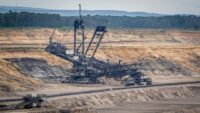
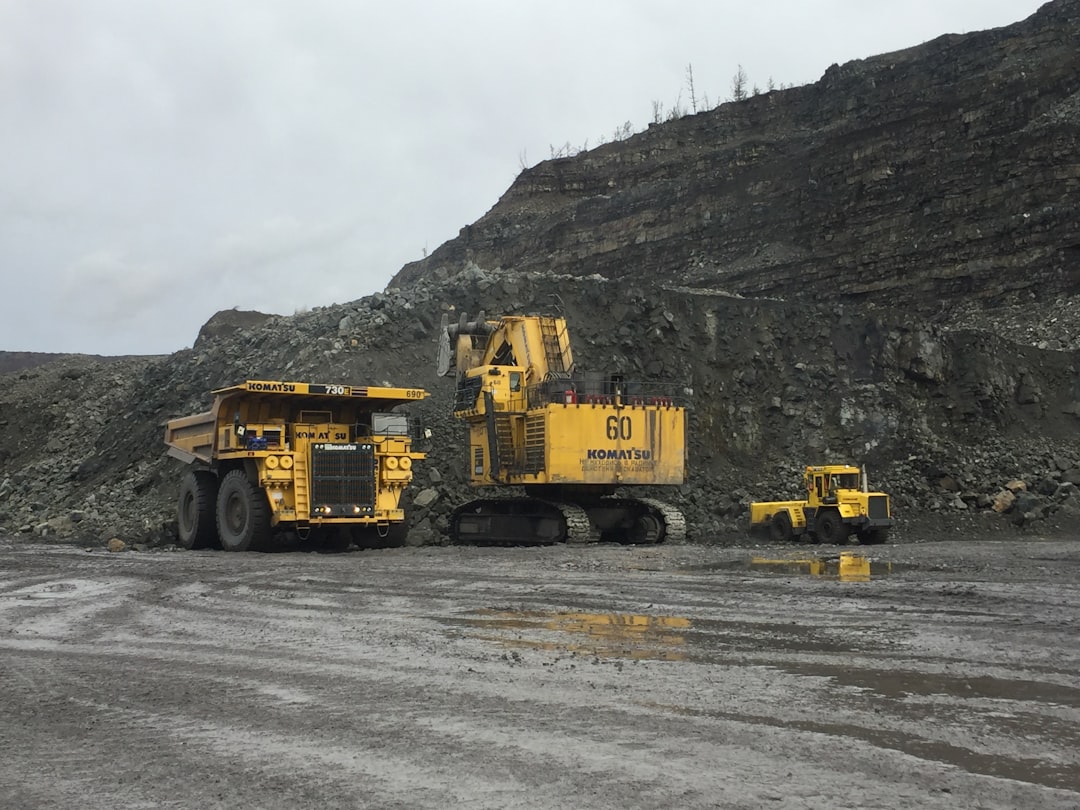
The Cerrejon mine, one of the largest open-pit coal mines in the world, has been a cornerstone of Colombia’s coal production for decades. Since its inception in the 1970s, Cerrejon has contributed substantially to Colombia’s status as a major exporter of coal, accounting for approximately 40% of the country’s coal output. According to the Colombian Mining Association, the coal sector has historically contributed about 1.5% to the national GDP, with Cerrejon playing a pivotal role.
Glencore, together with BHP and Anglo American, acquired Cerrejon in 2002, forming a joint venture that expanded the mine’s capacity. In 2021, Glencore bought out its partners to gain full control, a move detailed in their annual report. The acquisition was strategic, aligning with Glencore’s focus on optimizing its coal portfolio amid global energy demands and transitioning energy policies.
Implications of the Closure for Local Communities and the Economy
The closure of Cerrejon poses significant challenges for La Guajira, a region heavily reliant on mining for economic activity. The mine employs thousands of people directly and indirectly, supporting numerous local businesses and infrastructure projects. The cessation of operations threatens to exacerbate unemployment and economic instability in an area already facing socio-economic difficulties.
Moreover, the closure raises environmental and social concerns. The Colombian government, as well as local indigenous communities, have long voiced issues regarding the environmental impact of mining operations, including water usage and pollution. The transition plan proposed by Glencore, as per their sustainability report, outlines efforts to mitigate these impacts, yet local stakeholders demand more inclusive dialogues to ensure a just transition for affected communities.
Strategic and Market Considerations for Glencore
For Glencore, the focus on closing Cerrejon aligns with its broader strategy to navigate the global shift towards renewable energy. The company has been gradually divesting from coal assets in response to increasing pressure from investors and regulatory bodies to reduce carbon footprints. This closure represents a significant step in rebalancing its portfolio towards more sustainable ventures.
However, the transition is fraught with complexity. Glencore must balance environmental responsibilities with its operational commitments and financial performance. According to its 2025 strategic roadmap, Glencore aims to achieve net-zero emissions by 2050, with interim targets set for 2035. This commitment requires careful management of asset retirements like Cerrejon to avoid disrupting their operational stability and financial health.
Looking Ahead: The Future of Coal in Colombia
The closure of Cerrejon highlights the broader challenges facing the coal industry in Colombia. As global markets shift towards greener energy sources, demand for thermal coal is projected to decline, putting pressure on the country’s mining sector to adapt. Analysts suggest that Colombia may need to diversify its mineral portfolio and invest in alternative industries to sustain its economic growth.
For Glencore, the focus will likely remain on executing a responsible exit from Cerrejon, ensuring that community and environmental concerns are adequately addressed. The outcome of these discussions with Colombian authorities could set a precedent for future mine closures in the country, emphasizing the need for collaborative approaches in managing the socio-economic impacts of energy transitions.</p
Source: Mining Technology
Editorial Note: This article is an independent analysis based on publicly available information and press releases. MineListings.com is not affiliated with the companies mentioned. The views expressed are those of our editorial team and do not represent the official position of any company discussed. For the most accurate and complete information, readers should refer to the original source materials and company filings.
Sources: This article synthesizes publicly available filings, exchange data, and government reports as cited.