Key Takeaways
- Rio Tinto’s bioleaching adoption reduces chemical use, setting a sustainability precedent in mining amid rising ESG demands.
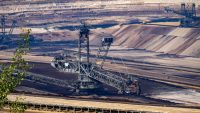
In a significant move towards sustainable mining, Rio Tinto has announced its adoption of bioleaching processes across its operations, a development expected to dramatically reduce chemical usage in mineral extraction. This initiative underscores the company’s commitment to environmental stewardship as the mining sector faces increasing pressure to enhance its ESG (Environmental, Social, and Governance) credentials.
Key Takeaways
- Market Action and Industry Implications
- Analysis: Drivers Behind This Shift
- Context: The Bigger Picture
Market Action and Industry Implications
This week, Rio Tinto shares saw a modest uptick, closing at AUD 125.42, up 1.5% from the previous session, as investors reacted positively to the company’s environmental initiatives. The adoption of bioleaching-a process that uses naturally occurring bacteria to extract metals from ores-reflects a broader industry trend towards integrating more sustainable practices. According to Coherent Market Insights, the green mining market is projected to grow at a CAGR of 4.3%, reaching USD 18.06 billion by 2033.
Analysis: Drivers Behind This Shift
The transition to bioleaching is driven by multiple factors. Firstly, there is a growing demand for cleaner mining technologies as companies strive to meet the stringent requirements of new regulatory frameworks like the GRI 101: Biodiversity Standard and GRI 14: Mining Sector Standard, effective from January 2026. Also, the push towards ESG compliance is not just about regulation but also about market differentiation. Investors are increasingly favoring companies that demonstrate strong sustainability practices, with ESG compliance in the mining market expected to reach USD 9.55 billion by 2033, according to Grand View Research.
Context: The Bigger Picture
This development fits into a larger industry narrative where companies are re-evaluating their operational footprints. With mineral demands surging-copper by 50% and lithium eight-fold by 2040 (UNCTAD)-the pressure to enhance efficiency while minimizing environmental impacts is intense. Rio Tinto’s foray into bioleaching positions it as a leader in green mining and sets a precedent for other major players in the industry.
Outlook: What to Watch for Next
Looking ahead, stakeholders should monitor how Rio Tinto scales this technology across its operations and its impact on production costs and environmental metrics. The success of this initiative could spur similar adoptions across the sector, potentially reshaping industry standards for chemical use in mining. Also, the industry’s response to upcoming regulatory changes will be crucial in determining the pace of ESG integration across mining operations globally.
As the industry evolves, market participants should remain vigilant about emerging technologies and regulatory shifts that may influence mining practices and investment opportunities. However, investors are reminded that while sustainable practices may enhance long-term value,
Rio Tinto’s adoption of bioleaching represents a forward-thinking approach to sustainable mining, aligning with current market trends and regulatory demands. As the industry continues to grapple with environmental challenges, such innovations could well define the future of mining, balancing economic viability with ecological responsibility.
Sustainability Disclaimer: Environmental, Social, and Governance (ESG) information in this article is based on publicly available data and company disclosures. ESG standards and metrics vary, and companies may use different methodologies. This content does not constitute an endorsement of any company’s sustainability practices. Readers should conduct their own due diligence when evaluating ESG factors.
Mining news, straight to your inbox
Market moves, deals and new listings. No spam, unsubscribe anytime.
Sources: This article synthesizes publicly available filings, exchange data, and government reports as cited.