Key Takeaways
- Aluminum prices have risen due to Middle East supply disruptions and potential Guinea export quotas, impacting global supply chains.
Aluminum Prices Climb Amid Middle East Supply Disruptions and Guinea Export Concerns
Aluminum prices have surged by 0.77% to 0.82% in recent trading sessions, reaching $3,417.35 per tonne by March 17, 2026. This spike follows significant geopolitical tensions in the Middle East and potential export restrictions in Guinea, the world’s largest bauxite supplier. The confluence of these factors has raised apprehensions about supply shortages in the global aluminum market.
Market Action: Price Movements and Inventory Levels
The London Metal Exchange (LME) aluminum spot price has consistently risen this week, reflecting heightened market anxiety over supply chain disruptions. According to ADM Investor Services, LME inventories have dwindled to their lowest levels since July, exacerbating concerns over availability. The market’s volatility is further underscored by a significant 2,475-ton reduction in LME aluminum stocks reported on March 16, 2026.
Analysis: Drivers Behind the Price Surge
Two primary factors are driving the current aluminum price rally. First, the ongoing conflict in Iran has jeopardized approximately 9% of the global aluminum supply, as disruptions in the Strait of Hormuz threaten to impede the transportation of raw materials and finished products. According to HDFC Securities, this situation could lead to additional production cuts of up to 500,000 tonnes annually if instability persists for another week or two.
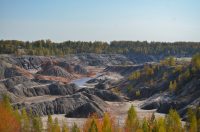
Secondly, Guinea, which accounts for 40% of global bauxite production, is contemplating export quotas that could take effect as early as this month. As reported by ADM Investor Services, any restrictions would directly impact the supply chain, given that bauxite is a critical raw material for aluminum production.
Context: Global Market Implications
The current situation places significant pressure on aluminum producers worldwide. With supply constraints looming, the potential for increased production costs and delivery delays could ripple through industries reliant on aluminum, such as automotive and construction. Moreover, these developments occur against a backdrop of rising global demand for base metals, driven by ongoing infrastructure projects and a shift towards green technologies.
Outlook: What to Watch For Next
Investors and market participants should closely monitor geopolitical developments in the Middle East and policy decisions in Guinea. Any resolution or escalation in these regions could significantly influence aluminum pricing and availability. Additionally, market analysts will be watching for any strategic moves by major aluminum producers to mitigate these supply challenges, such as increased capacity utilization or exploration of alternative sourcing strategies.
As the situation evolves, the aluminum market may experience further volatility. Stakeholders are advised to remain vigilant and consider the potential impacts on their supply chains and cost structures. While historical performance can offer insights, it does not guarantee future outcomes, and investment decisions should be made with caution and professional advice.
The current surge in aluminum prices highlights the complex interplay between geopolitical tensions and market dynamics. As these factors continue to unfold, the aluminum market will likely remain at the forefront of investor attention, with strategic supply chain decisions playing a critical role in navigating these turbulent times.
Investment Disclaimer: This article is for informational purposes only and does not constitute financial, investment, or trading advice. The content should not be construed as a recommendation to buy, sell, or hold any security or commodity. Past performance is not indicative of future results. Mining investments carry significant risks, including the potential loss of principal. Always conduct your own research and consult with a qualified financial advisor before making investment decisions. MineListings.com and its authors may hold positions in securities mentioned in this article.
Mining news, straight to your inbox
Market moves, deals and new listings. No spam, unsubscribe anytime.
Sources: This article synthesizes publicly available filings, exchange data, and government reports as cited.