
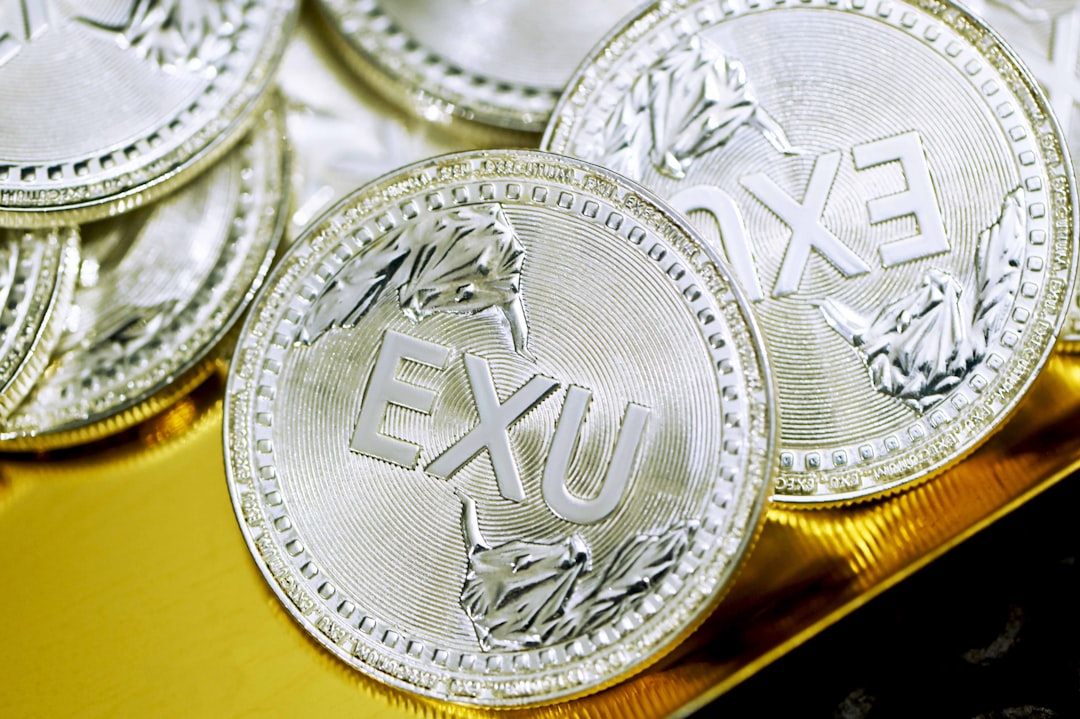
In a week marked by geopolitical tensions and crucial monetary policy decisions, the gold market displayed significant volatility. As of April 30, 2026, the gold spot price closed at $4,601.00 per ounce, reflecting a decline of $90.00 or 1.92% from the previous close, according to Monex. This movement highlights the market’s sensitivity to a combination of geopolitical and economic factors.
Key Data Points
Today’s trading session saw gold prices oscillate with an opening at $4,556.13 per ounce, reaching a daily high of $4,602.35 and a low of $4,556.13, as reported by JM Bullion and BullionVault. The trading volume on COMEX was robust, reflecting heightened investor activity amid ongoing uncertainties.
Support and resistance levels were tested as gold hovered around the $4,600 mark, with significant support seen near $4,550 and resistance at $4,620, based on market trends observed over recent weeks. The dollar’s strength, influenced by surging oil prices and stalled US-Iran talks, has exerted inverse pressure on gold prices, causing fluctuations in the market.
The current downturn in gold prices can be attributed primarily to geopolitical developments and central bank actions. The stalled US-Iran diplomacy, exacerbated by the US’s refusal to lift the naval blockade of the Strait of Hormuz, has triggered concerns about energy supply disruptions, as outlined by Trading Economics. This geopolitical standoff has contributed to a surge in oil prices, which in turn, has intensified inflationary pressures globally.
Furthermore, the gold market is keenly awaiting the outcome of the Federal Open Market Committee (FOMC) meeting, likely to be Chair Powell’s final one. Speculations around potential policy shifts or interest rate adjustments are keeping investors on edge, as the Federal Reserve’s decisions could significantly impact gold prices in the short term. The anticipation of these announcements has led to cautious trading, with some market participants opting for profit-taking strategies.
On the central bank front, recent data indicates that Q1 2026 witnessed record gold demand, estimated at $193 billion, with Poland notably increasing its reserves to 570 tonnes, according to JM Bullion. Such moves by central banks underscore the continued strategic importance of gold as a reserve asset amid economic uncertainties.
Looking ahead, the gold market may continue to experience volatility driven by geopolitical developments and monetary policy decisions. Analysts suggest that while the current downturn may be temporary, the underlying fundamentals of strong central bank demand and persistent inflation fears could provide a supportive backdrop for gold prices in the coming months.
As geopolitical tensions remain unresolved and central banks maintain a cautious stance, investors are likely to remain attentive to developments in these areas. The potential for further dollar fluctuations and changes in global interest rate policies will be critical factors influencing gold’s trajectory through year-end.
While short-term dynamics suggest a complex trading environment, long-term trends indicate that gold could remain a valuable asset for hedging against inflation and geopolitical risks.
Industry watchers and investors should continue to monitor these evolving factors closely, as they could present opportunities and challenges in the gold market landscape.