
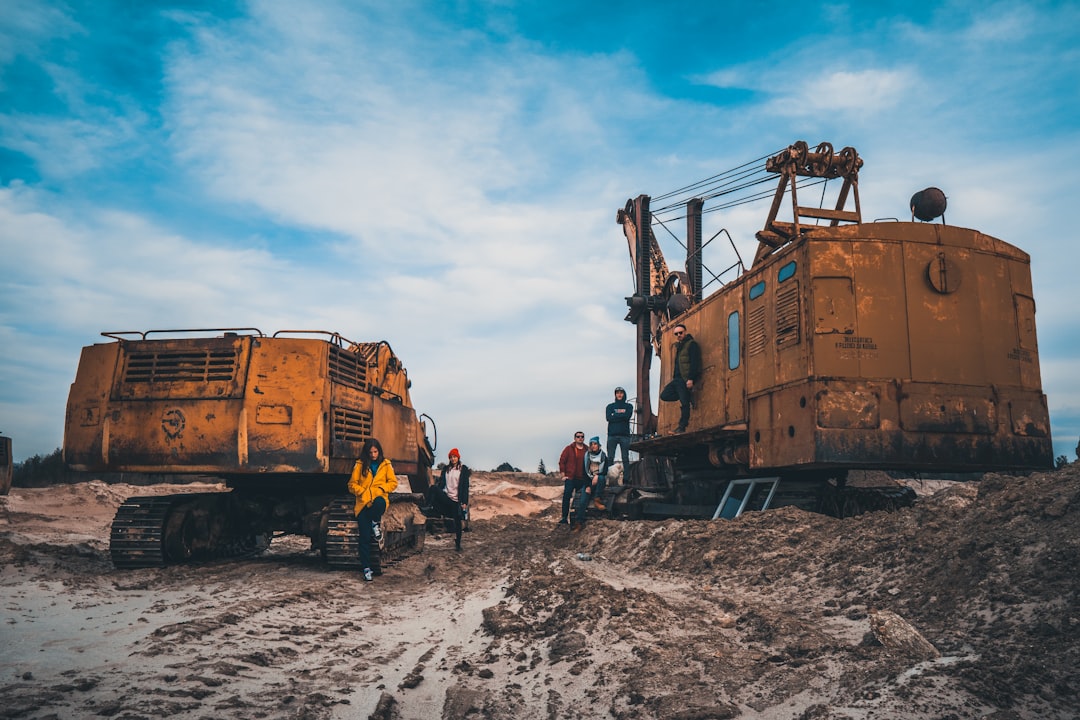
Mining Technology announced this week that Falcon Copper and Glencore International have entered into a memorandum of understanding (MoU) to collaborate on critical minerals projects. This partnership aims to strengthen the mineral supply chain in the United States, a move that could have significant implications for the domestic mining industry and its stakeholders.
Addressing Supply Chain Vulnerabilities
The collaboration between Falcon Copper and Glencore comes at a critical moment for the U.S. minerals industry, which has been grappling with supply chain vulnerabilities. The U.S. relies heavily on imports for many critical minerals, which are essential for manufacturing electronics, renewable energy technologies, and defense systems. The U.S. Geological Survey’s 2023 report highlights that the country imports over 50% of its supply for 46 minerals, including many considered critical to national security and economic prosperity.
By joining forces, Falcon Copper and Glencore aim to mitigate these vulnerabilities by developing domestic resources and infrastructure. This strategic partnership could provide a more stable and secure supply of essential minerals, potentially reducing dependency on foreign sources. The MoU indicates a shared commitment to exploring and developing projects that could bolster U.S. self-sufficiency in critical minerals.
Historical Context and Market Dynamics
Historically, the U.S. has experienced periods of concern over mineral supply security. During the 1970s, the oil embargo highlighted vulnerabilities in energy resources, prompting subsequent administrations to prioritize energy independence. Similarly, the current focus on mineral supply chains reflects a broader strategic shift towards ensuring resource security in an era of geopolitical tension and trade disruptions.
In recent years, the global market for critical minerals has been characterized by volatility and increased competition. According to the London Metal Exchange, prices for key minerals such as lithium and cobalt have surged by over 200% since 2020, driven by growing demand for electric vehicles and renewable energy storage solutions. This market environment underscores the urgency for the U.S. to develop its domestic capabilities.
Potential Industry Impact and Investor Considerations
For the mining sector, the Falcon Copper and Glencore partnership could serve as a catalyst for increased investment in U.S. mineral projects. This collaboration may pave the way for other companies to explore similar alliances, potentially leading to a wave of new developments in the domestic mining industry. Such initiatives could attract significant capital investment and create jobs, providing a boost to local economies.
The partnership also aligns with recent U.S. government initiatives aimed at supporting critical mineral development. The Inflation Reduction Act of 2022 includes provisions for tax incentives and funding to encourage domestic production of critical minerals, which could further enhance the attractiveness of such projects to investors.
While the partnership holds promise, it also presents challenges. Developing new mining projects can be a lengthy and costly process, often involving complex regulatory approvals and environmental considerations. Investors may need to weigh these potential hurdles against the long-term benefits of a more secure and resilient supply chain.
Looking ahead, the Falcon Copper and Glencore alliance may signal a broader trend towards strategic partnerships in the mining sector, as companies seek to navigate the complexities of the global minerals market. This development could have far-reaching implications for the industry, potentially reshaping the landscape of mineral supply chains in the U.S. and beyond. As the situation evolves, stakeholders will be closely monitoring how this partnership influences market dynamics and the strategic positioning of U.S. mineral resources.</p
Source: Mining Technology