Key Takeaways
- Mining Technology recently highlighted a significant development in lubricant technology: the rise of ultra-low zinc (ULZ) additives.
Mining Technology recently highlighted a significant development in lubricant technology: the rise of ultra-low zinc (ULZ) additives. This advancement promises enhanced drivetrain performance by providing improved wear protection, friction stability, and durability, marking a pivotal shift in lubricant formulation.
The Science Behind Ultra-Low Zinc Additives
Zinc dialkyldithiophosphate (ZDDP) has long been a staple in lubricant additives due to its superior anti-wear properties. However, environmental concerns and regulatory pressures have prompted the industry to seek alternatives that offer similar benefits with reduced ecological impact. ULZ technology emerges as a solution, reducing zinc content while maintaining, or even enhancing, the performance characteristics of traditional formulations.
Data from the U.S. Environmental Protection Agency indicates that traditional ZDDP contributes to zinc pollution in waterways, leading to stricter regulations. The introduction of ULZ additives aligns with global sustainability goals, offering mining and automotive sectors an eco-friendlier option without compromising on equipment longevity.
Implications for the Mining Industry
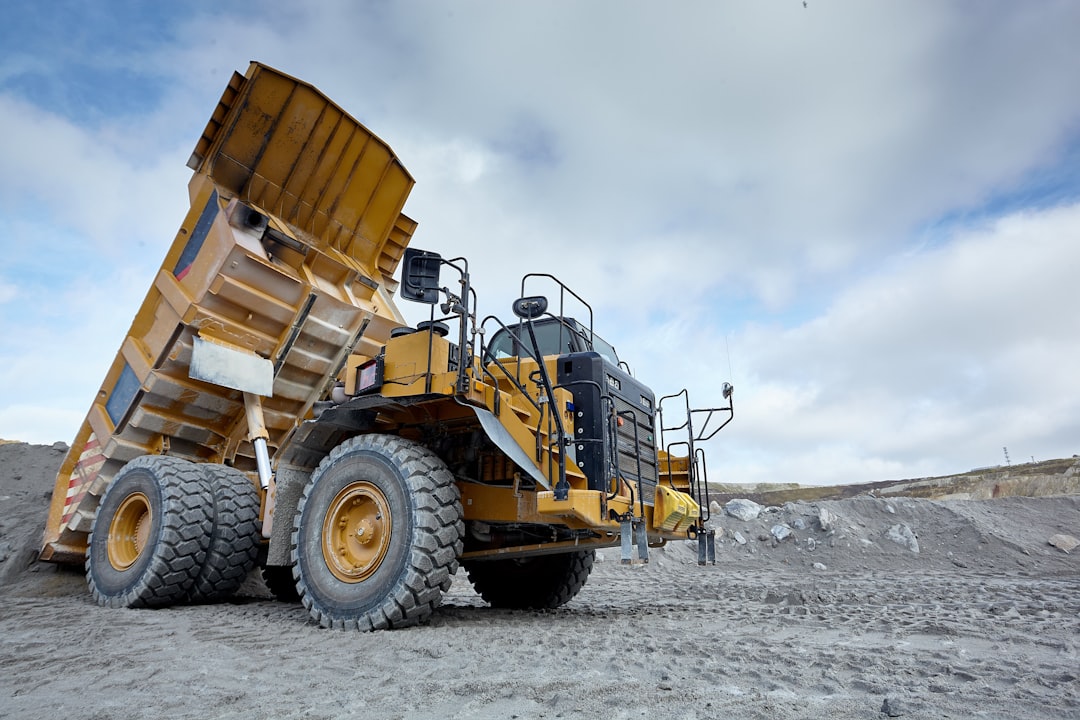
The mining sector stands to benefit significantly from this innovation. Heavy machinery, integral to mining operations, demands lubricants that can withstand extreme conditions. The enhanced durability and friction stability of ULZ additives can lead to increased equipment uptime and reduced maintenance costs.
According to a 2023 report by the International Council on Mining & Metals, operational efficiency is a top priority for mining companies, with maintenance costs accounting for a substantial portion of operational expenses. By adopting ULZ technology, mining operators could see a tangible impact on their bottom lines, potentially improving profitability amid fluctuating commodity prices.
Investor Considerations and Market Impact
For investors, the shift to ULZ lubricants presents both opportunities and challenges. Companies that swiftly integrate these advanced lubricants could gain a competitive edge, demonstrating a commitment to sustainability and operational efficiency. This may attract environmentally conscious investors and potentially influence stock performance.
Historical market trends suggest that companies which innovate in response to regulatory changes often experience initial cost increases, followed by long-term gains as they capture market share from slower adopters. Investors should monitor how mining and automotive companies incorporate ULZ technology into their operations and the resultant financial performance.
Looking Ahead: The Future of Lubricant Technologies
As the industry continues to evolve, the role of environmentally sustainable technologies like ULZ additives is likely to expand. In the coming months, regulatory bodies worldwide may further tighten environmental standards, making early adoption of such technologies a strategic necessity rather than an option.
Companies that proactively adapt to these changes could enhance their market position and contribute to broader sustainability efforts. As the mining industry grapples with the dual pressures of economic viability and environmental responsibility, innovations like ultra-low zinc additives will be crucial in steering the sector towards a more sustainable future.</p
Source: Mining Technology
Editorial Note: This article is an independent analysis based on publicly available information and press releases. MineListings.com is not affiliated with the companies mentioned. The views expressed are those of our editorial team and do not represent the official position of any company discussed. For the most accurate and complete information, readers should refer to the original source materials and company filings.
Mining news, straight to your inbox
Market moves, deals and new listings. No spam, unsubscribe anytime.
Sources: This article synthesizes publicly available filings, exchange data, and government reports as cited.