
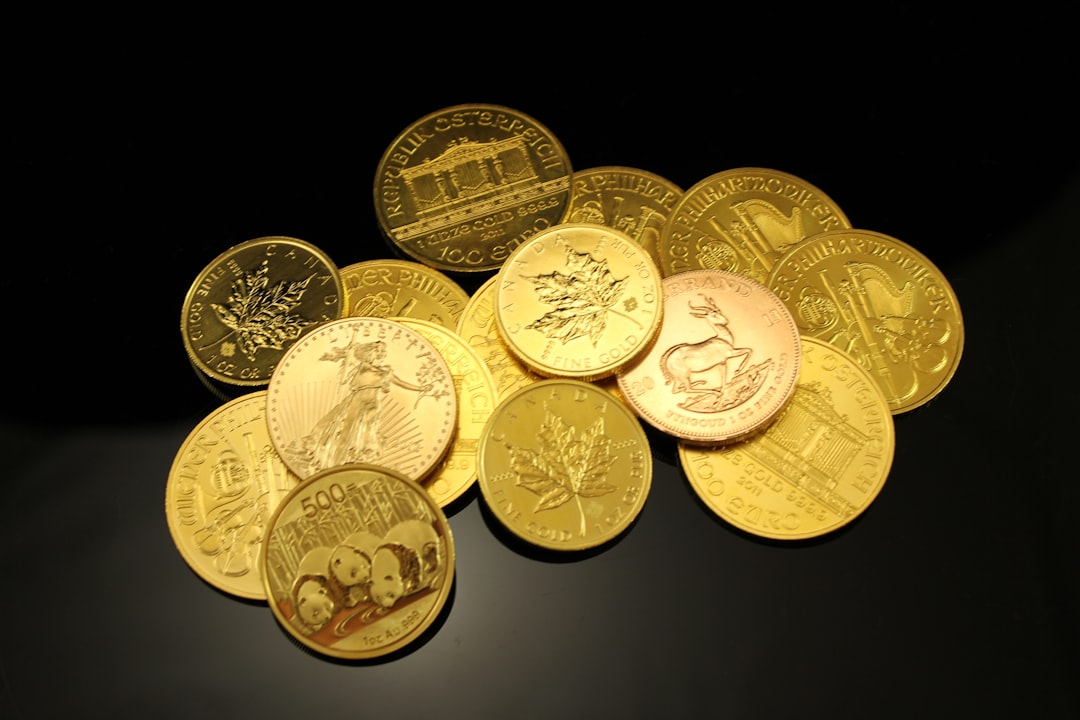
Gold Market Analysis for May 8, 2026
The gold market experienced another active trading session on May 8, 2026, with spot prices exhibiting notable fluctuations amid ongoing geopolitical tensions in the Middle East and shifting expectations regarding U.S. Federal Reserve policies. Gold opened at $4,707.00 per ounce, closing slightly higher at $4,726.30, as reported by Bullion.com. This represents an increase of 0.32% from the previous day.
Key Data Points
Throughout the trading day, gold reached an intraday high of $4,765.00 before retreating, as noted by FXStreet. The low was recorded at $4,713.07, according to BullionByPost. Trading volume on the COMEX was robust, reflecting heightened market interest driven by safe-haven demand. The market closed with a weekly change of +1.73%.
Support, Resistance, and Market Dynamics
Gold is currently navigating key support and resistance levels. Immediate support is identified around $4,700.00, with resistance near the recent highs of $4,765.00. The broader bearish outlook, as noted by ISA Bullion, remains in place as the metal trades below short- and medium-term moving averages.
Geopolitical tensions, particularly the conflict involving Iran, have been a significant driver of gold prices this week. Reports from Trading Economics suggest that the market reacted positively to potential peace negotiations mediated by Pakistan, easing pressures and contributing to recent price gains. Additionally, a softer U.S. dollar has supported gold’s ascent, as indicated by a rise of over 3% in the session according to JM Bullion.
Analysis and Outlook
Despite today’s upward movement, gold is on track for its first weekly loss in five weeks, primarily due to reduced expectations of Federal Reserve rate cuts. This sentiment shift follows recent economic data showing resilient U.S. job growth, which has tempered inflation concerns and bolstered the dollar. Market analysts, including those cited by FXStreet, suggest that while gold may face near-term headwinds, the metal’s longer-term outlook remains bullish.
Looking ahead, forecasts for year-end 2026 remain optimistic, with projections by J.P. Morgan and Goldman Sachs ranging from $5,400 to $6,300 per ounce. Analysts suggest that ongoing geopolitical uncertainties, coupled with central bank policies, could continue to support gold as a safe-haven asset through the remainder of the year.
In summary, gold’s current price movements are heavily influenced by external geopolitical factors and the evolving economic landscape. Investors and market participants will closely monitor developments in the Middle East and U.S. monetary policy decisions, which are likely to shape market dynamics in the near term.
For now, gold continues to serve as a barometer for global uncertainty, and its path forward will depend on both geopolitical developments and economic indicators.
As always, market participants should approach these forecasts with caution and consider a range of potential outcomes when evaluating investment strategies.