
Key Takeaways
- Mining Technology announced that recent operational shutdowns and logistical disruptions across aluminium smelters in the Gulf region could lead to a significant shortfall in the global aluminium market, potentially pushing prices to a striking $4,000 per tonne.
- This development is poised to impact the aluminium supply chain globally, with ripple effects felt across industries reliant […]
Mining Technology announced that recent operational shutdowns and logistical disruptions across aluminium smelters in the Gulf region could lead to a significant shortfall in the global aluminium market, potentially pushing prices to a striking $4,000 per tonne. This development is poised to impact the aluminium supply chain globally, with ripple effects felt across industries reliant on this crucial metal.
Gulf Smelters: A Critical Node in Aluminium Supply
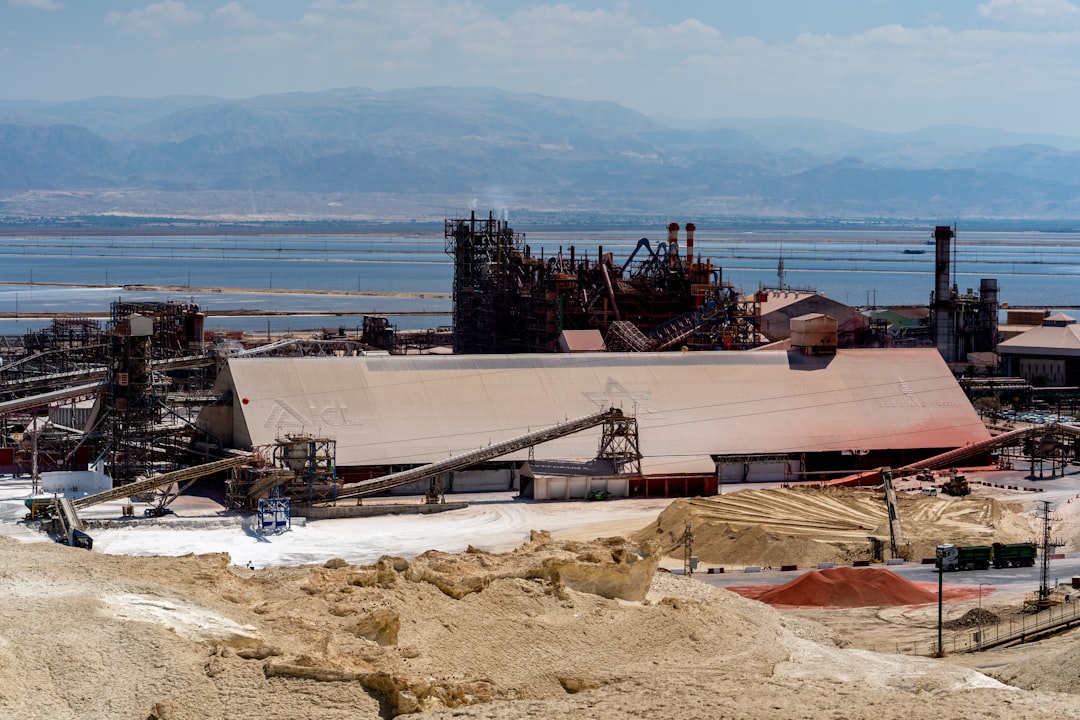
The Gulf region, particularly countries like the United Arab Emirates, Saudi Arabia, and Bahrain, plays a pivotal role in global aluminium production. According to the International Aluminium Institute, the UAE alone accounts for approximately 4% of the world’s aluminium output. The region’s strategic location and advanced infrastructure have historically made it a reliable source of aluminium, essential for sectors ranging from automotive to aerospace.
However, the current disruptions threaten this stability. Recent reports indicate that operational shutdowns are primarily due to geopolitical tensions and supply chain issues exacerbated by global logistics challenges. These factors have collectively led to a bottleneck in aluminium production and distribution, raising concerns about a looming supply deficit.
Historical Context: How Does This Compare?
To understand the potential impact, it’s useful to look at past market disruptions. In 2018, U.S. sanctions against Rusal, a major Russian aluminium producer, resulted in significant price spikes, with aluminium prices surging over 20% to more than $2,700 per tonne. The sanctions created a temporary supply shortage, unsettling markets and causing volatility.
Today’s scenario, while different in its geopolitical roots, mirrors past events in terms of potential supply constraints and resulting price increases. The anticipated price of $4,000 per tonne would represent a historic high, surpassing peaks seen during previous crises. Such levels could reshape industry cost structures and investment strategies in the near term.
Implications for the Global Market and Investors
The potential deficit in aluminium supply could have widespread implications. Industries dependent on aluminium, such as automotive and construction, may face increased raw material costs, impacting profitability and pricing strategies. Companies in these sectors might have to reassess their supply chain resilience and explore alternative sourcing options.
For investors, the situation presents a mixed bag. While aluminium producers outside the Gulf region might benefit from higher prices, increased input costs could squeeze margins in downstream manufacturing sectors. According to the London Metal Exchange, aluminium futures have already shown upward momentum, reflecting market expectations of constrained supply.
Moreover, governments and industry stakeholders may need to negotiate new trade agreements or explore strategic reserves to mitigate the impact of these disruptions. Analysts suggest that markets could see increased volatility as stakeholders navigate these challenges, with potential policy interventions influencing future price dynamics.
As the global economy continues to adjust to these disruptions, the aluminium market’s trajectory will be closely monitored. Stakeholders across the supply chain will need to remain agile, with resilience strategies possibly becoming a focal point for future planning. Whether these challenges will lead to long-term structural changes in the aluminium industry remains to be seen, but the current situation underscores the interconnectedness of global markets and the delicate balance required to maintain stability.</p
Source: Mining Technology
Editorial Note: This article is an independent analysis based on publicly available information and press releases. MineListings.com is not affiliated with the companies mentioned. The views expressed are those of our editorial team and do not represent the official position of any company discussed. For the most accurate and complete information, readers should refer to the original source materials and company filings.
Sources: This article synthesizes publicly available filings, exchange data, and government reports as cited.