Key Takeaways
- Platinum prices have surged due to persistent supply deficits and strong demand from the automotive sector.
- Currently at $73.75 per gram, marking a significant year-to-date increase.
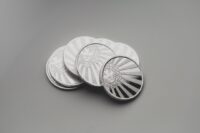
In a notable shift in the precious metals market, platinum has emerged as the standout performer, witnessing a significant rally in recent weeks. According to Strategic Metals Invest, the price of platinum is currently at $73.75 per gram, marking a 4.33% increase year-to-date. This surge is part of a larger upward trend, with platinum prices having risen by a remarkable 130.18% since the beginning of the previous year. The recent rally can be attributed to persistent supply deficits from key producers in South Africa and Russia, coupled with robust demand from the automotive industry. As the market grapples with these dynamics, platinum is increasingly being viewed as an industrial metal with strong fundamentals, distinct from the more volatile movements seen in gold and silver.
Platinum’s Bullish Price Trajectory and Trading Dynamics
Platinum’s price movements have been characterized by both substantial gains and heightened volatility, reflecting broader trends in the precious metals complex. The current trading level of $73.75 per gram represents a significant year-to-date increase, driven by supply constraints and strong industrial demand. Trading volumes have also seen an uptick, as investors seek to capitalize on platinum’s relative undervaluation compared to gold. Technical analysts point to key resistance levels around $2,446 per ounce, a target flagged by Bank of America Securities earlier this year. This forecast underscores the potential for further price appreciation as market conditions evolve. As traders continue to navigate these waters, the focus remains on supply-side developments and their implications for future price action.
Driving Forces Behind Platinum’s Recent Surge
The recent rally in platinum prices is primarily driven by a combination of supply-side constraints and robust demand from the automotive sector. According to PlatinumInvestment.com, the market is expected to face consecutive deficits averaging 689,000 ounces annually from 2026 to 2029. This supply shortfall is exacerbated by challenges in key producing regions like South Africa and Russia, where geopolitical tensions and logistical issues have further strained output. On the demand side, the automotive industry’s reliance on platinum for catalytic converters remains a critical driver. As auto manufacturers continue to prioritize emissions reduction, the demand for platinum-based catalysts is expected to remain strong, providing a solid foundation for future price support. These dynamics highlight the metal’s strategic importance in both traditional and emerging industrial applications.
Implications for the Mining Sector and Industry Players
The surge in platinum prices carries significant implications for the broader mining sector, particularly for companies with exposure to platinum group metals (PGMs). For mining firms, the current market environment presents both opportunities and challenges. On one hand, higher platinum prices can enhance profitability, encouraging investment in exploration and development projects. On the other hand, persistent supply deficits and geopolitical risks pose operational challenges that could impact production schedules and cost structures. According to Olive Resource Capital, platinum’s position as a top pick among precious metals is underpinned by these market deficits and tight physical supply. As stakeholders in the mining sector navigate this landscape, strategic decisions around resource allocation and risk management will be crucial to capitalizing on the current market dynamics.
Comparing Current Trends to Historical Market Cycles
The current rally in platinum prices invites comparisons to previous cycles characterized by supply disruptions and strong industrial demand. Historically, platinum has experienced periods of significant price appreciation during times of geopolitical tension and supply constraints. For instance, the early 2000s saw platinum prices soar due to similar market conditions, as supply disruptions in South Africa and rising automotive demand drove prices to record highs. The current market environment shares several parallels, although the context has evolved with the growing importance of sustainability and green technologies. According to CME Group, the relative value prospects for platinum in 2026 remain strong, supported by persistent supply challenges and evolving industrial applications. As market participants reflect on these historical patterns, the current rally may be seen as part of a broader structural shift in the precious metals landscape.
Outlook and Key Trends to Watch in the Platinum Market
Looking ahead, the outlook for platinum remains positive, with several key trends expected to influence market dynamics in the coming months. Industry analysts suggest that ongoing supply constraints, particularly in South Africa and Russia, will continue to play a pivotal role in shaping price movements. Additionally, the automotive sector’s demand for platinum is likely to remain robust, driven by stricter emissions standards and the adoption of hybrid and electric vehicles. The potential rollbacks of aggressive EV mandates, as noted by Crux Investor, could further bolster demand for internal combustion engine vehicles and, by extension, platinum-based catalysts. As the market evolves, investors and industry players will be closely monitoring these developments, as well as the broader macroeconomic environment, to gauge the potential for further price appreciation and strategic opportunities in the PGM sector.
Investment Disclaimer: This article is for informational purposes only and does not constitute financial, investment, or trading advice. The content should not be construed as a recommendation to buy, sell, or hold any security or commodity. Past performance is not indicative of future results. Mining investments carry significant risks, including the potential loss of principal. Always conduct your own research and consult with a qualified financial advisor before making investment decisions. MineListings.com and its authors may hold positions in securities mentioned in this article.
Sources: This article synthesizes publicly available filings, exchange data, and government reports as cited.