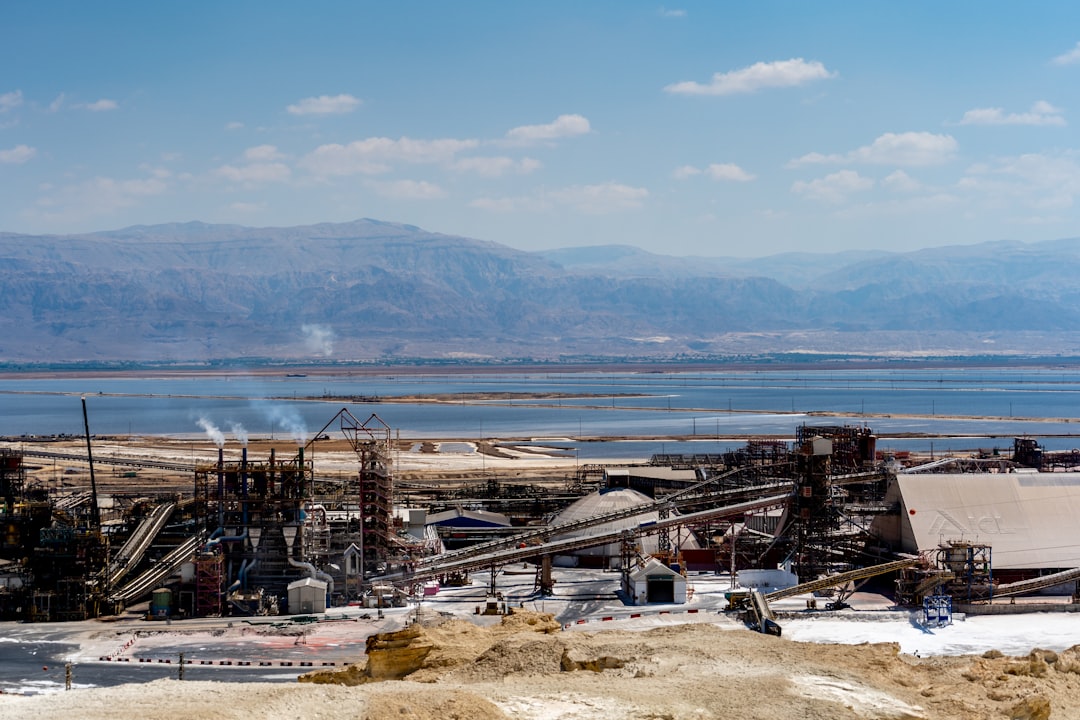
Global Lithium Prices Dip Amidst Growing Oversupply Concerns
Unexpected Drop in Global Lithium Prices Raises Eyebrows
In an unexpected development, global lithium prices experienced a notable decline this week, with spot prices falling by 5.17% to settle at $22.86 per kilogram on July 10, 2026. This downturn was primarily driven by an oversupply in the market, predominantly from Australian and Chinese hard-rock lithium projects. According to Trading Economics, the Chinese spot price also saw a decrease, dropping by 2.21% to ¥155,000 per ton. This decline comes as a surprise to many market analysts who had anticipated a more stable pricing environment due to the increasing demand for lithium in electric vehicles (EVs) and energy storage applications. The market’s reaction highlights the delicate balance between supply and demand, underscoring the volatility that can arise even in booming markets.
Tracking the Recent Price Movements in the Lithium Market
Despite the recent dip, lithium carbonate spot prices had previously shown upward momentum, increasing by 1.69% on July 3, 2026, and marking a 42% rise year-to-date. Such fluctuations have kept traders on edge, with lithium carbonate futures reflecting this volatility. InfoLink Consulting reported that the LC2508 and LC2509 contracts closed at RMB 68,000/MT and RMB 68,300/MT, respectively, showing month-over-month increases of 8.9% and 9.7%. The CIF spodumene (SC6) price also averaged USD 765/MT, up 21.3% MoM as of July 31, 2025, indicating strong upstream cost pressures. Despite these gains, the recent price pullback suggests that the market may have overestimated near-term demand relative to supply, prompting traders to reassess their positions and recalibrate their expectations for the rest of the year.
Understanding the Drivers Behind the Market Dynamics
The recent pullback in lithium prices can be attributed to a combination of factors, most notably the persistent oversupply from key producing regions such as Australia and China. These countries have ramped up production significantly, with global lithium production increasing by 31% to 290,000 tons in 2025, while consumption only rose by 20% to 263,000 tons, according to the U.S. Geological Survey. This supply-demand imbalance has created downward pressure on prices, even as demand from the EV sector continues to climb. Also, the market was anticipating a tighter supply environment due to the projected shortfalls estimated by firms like Morgan Stanley and UBS. However, these forecasts have not materialized as expected, leading to a reassessment of market dynamics and a subsequent price correction.
Implications for the Mining Industry Amid Price Volatility
The recent price fluctuations in the lithium market have significant implications for the broader mining sector. For mining companies, the current price environment necessitates a strategic reassessment of production schedules and investment plans. Companies that have expanded production capacity in anticipation of sustained high prices must now navigate the challenges of an oversupplied market. This scenario also places pressure on smaller and less diversified mining operations that may lack the financial resilience to withstand prolonged periods of lower prices. The volatility underscores the necessity for mining firms to diversify their portfolios and explore technological innovations that can enhance production efficiency and reduce costs. Industry analysts suggest that these dynamics could accelerate consolidation within the sector as companies seek to bolster their market positions and uses economies of scale.
How Current Trends Compare to Past Lithium Market Cycles
The current situation bears similarities to past cycles in the lithium market, particularly the boom-and-bust periods experienced in recent years. The lithium market has historically been characterized by rapid price escalations followed by sharp corrections, often driven by shifts in supply dynamics and speculative trading. For instance, the significant price rally in early 2026, where prices rebounded 95% in two months, mirrors previous episodes where market exuberance was followed by a reality check as supply caught up with demand. The cyclical nature of the industry is further exemplified by the “Second Great Bottom” in lithium prices, from which the market has seen a 192% recovery. As such, current trends are not unprecedented, but they do serve as a reminder of the inherent volatility and the importance of strategic foresight in navigating the sector.
Outlook and Key Factors to Watch in the Lithium Market
Looking ahead, the lithium market is poised for continued volatility, with several key factors likely to influence future price movements. The global demand for lithium is expected to grow significantly, with projections indicating a 17% to 30% increase in 2026, driven largely by the EV sector, which accounts for approximately 65% of total demand. However, the ability of producers to manage supply effectively will be crucial in determining price stability. Market participants will also be closely monitoring developments in battery technology and potential policy changes related to critical minerals, which could impact both supply chains and demand patterns. As the year progresses, investors and industry stakeholders will need to remain vigilant, with a focus on adapting to the dynamic market landscape and using opportunities as they arise.
METADATA: