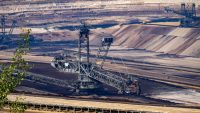
Biden Administration Moves to Prioritize Mining on Federal Lands, Sparking Industry Surge
Executive Order Alters Federal Land Use for Mineral Production
In a significant policy shift announced this week, President Trump signed an executive order titled “Immediate Measure to Increase American Mineral Production,” prioritizing mining activities on federal lands with mineral deposits. This move, which took effect on March 20, 2026, mandates federal agencies to identify proposed mining projects within a 10-day timeframe and positions mineral production as the primary land use for these territories. According to Field & Stream, this policy change could lead to the initiation of new mining operations in as little as 45 days, marking a dramatic acceleration in the pace of mining approvals. The directive has already caused ripples across the industry, with companies gearing up for increased access to mineral-rich public lands.
Market Response: Increased Trading and Price Volatility
The market’s reaction to the executive order has been swift and significant. Trading volumes for major mining stocks have surged, with companies like Freeport-McMoRan and Barrick Gold seeing a sharp increase in investor activity. According to Queen Street Analytics, trading volumes for these stocks have increased by over 30% since the announcement. This heightened activity has also brought about increased price volatility, as investors recalibrate their expectations for the U.S. mining sector’s growth potential. Key technical levels are being tested, with many stocks approaching their 52-week highs. The anticipation of expedited mining projects has also boosted commodity prices, particularly for metals like copper and gold, which are expected to see increased production outputs in the coming months.
Behind the Policy Shift: Strategic and Economic Considerations
The driving forces behind this policy shift are deeply rooted in both strategic and economic considerations. The United States has been striving to bolster its domestic mineral production to reduce reliance on foreign imports, particularly from geopolitical rivals. According to the Center for American Progress, the executive order is part of a broader government strategy focused on securing supply chains for critical minerals essential to modern technologies and national defense. The need to revitalize domestic industries and create jobs post-pandemic has also been a significant factor, as the administration seeks to tap into the economic potential of the mining sector. By prioritizing mining on federal lands, the government aims to stimulate investment and spur economic growth in rural areas that have historically been dependent on resource extraction.
Implications for the Mining Industry
The implications of this policy change for the mining industry are profound. By accelerating the approval process and opening up more federal land for exploration, companies are likely to increase their capital expenditures and fast-track project developments. This could lead to a new wave of mining operations, particularly in areas rich in critical minerals like lithium, cobalt, and rare earth elements. However, the policy also raises concerns about environmental impacts and the potential for conflicts with other land uses. Industry experts caution that while the policy may boost mineral production in the short term, it could lead to increased scrutiny and pushback from environmental groups. The balance between resource extraction and conservation efforts will be a critical issue for the industry to navigate in the coming years.
Comparing Past Policies
This policy shift is reminiscent of past efforts to prioritize resource extraction on federal lands. Historically, similar initiatives have been met with mixed results. For instance, the Mining Law of 1872, which allowed for extensive mineral exploration on public lands, led to significant mining booms but also prompted environmental degradation and legal challenges. More recently, the Trump administration’s attempts to streamline environmental regulations faced pushback from conservationists and legal hurdles. The current executive order differs in its explicit emphasis on prioritizing mining as the primary land use, which could lead to more rapid and widespread industry growth. However, the long-term sustainability and legal viability of this approach remain to be seen, as similar policies in the past have often been contested in court.
Looking Ahead: What to Watch For
As the industry adapts to this new regulatory environment, several key factors will be crucial to monitor in the coming months. Stakeholders should watch for the speed and scope of project approvals, as these will be indicative of the policy’s practical impact. Additionally, the response from environmental groups and potential legal challenges could influence the policy’s implementation and longevity. Industry analysts will also be keeping an eye on how this policy affects global supply chains and commodity prices, particularly for critical minerals. According to The Breakthrough Institute, the average time for mining-related environmental impact statements remains over four years, highlighting ongoing bottlenecks that could temper the policy’s intended effects. As the situation evolves, the interplay between regulatory changes and market dynamics will be critical in shaping the future of the U.S. mining sector.