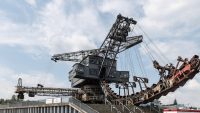
Fatality at Marble City Highlights Urgent Need for Mine Safety Reforms
Tragic Accident at St Clair Mine Marks Sixth Fatality of 2026
The mining sector faced a somber start to July as a fatal accident occurred at the US Lime Company St Clair – Marble City surface mine in Oklahoma on July 6, 2026. According to the Mine Safety and Health Administration (MSHA), the incident involved a powered haulage accident, adding to the growing list of mining fatalities this year, now totaling six. This recent event underscores the persistent safety challenges faced by the industry and highlights the pressing need for regulatory reform to prevent future tragedies.
Market Reactions and Regulatory Focus
Following the accident, market reactions have been mixed, with safety concerns overshadowing any potential operational impacts. Mining stocks showed limited volatility, with the broader market remaining largely stable. Trading volumes in the mining sector saw minimal shifts as investors processed the implications of the accident. Key technical levels for major mining stocks remained unchanged, reflecting a cautious market approach. The MSHA’s recent proposal of 18 new safety rules, requiring public comments by July 31, 2025, indicates a regulatory shift towards enhancing mine safety standards (Jackson Lewis).
Driving Forces Behind Safety Concerns
The recent fatality at Marble City is part of a broader pattern of safety challenges facing the mining industry. Powered haulage incidents have been a significant contributor to mining accidents, prompting the MSHA to prioritize safety reforms. The agency’s proposed rules aim to modernize outdated regulations and address the complexities of modern mining operations. According to industry reports, delays in resolving contested safety cases have compounded these challenges, as budget cuts have affected agencies responsible for case reviews (Bloomberg Law). This backdrop of regulatory inertia and operational risks has heightened the urgency for safety reforms.
Impact on the Mining Sector
The implications of the Marble City accident extend beyond immediate safety concerns, potentially influencing broader industry dynamics. Companies may face increased regulatory scrutiny and pressure to adopt more stringent safety protocols. This could lead to higher operational costs as firms invest in safety upgrades and compliance measures. Industry stakeholders are likely to push for technological innovations, such as autonomous vehicles and AI-driven safety systems, to mitigate human error and enhance operational safety. The availability of Brookwood-Sago grants to promote mine safety education may provide some relief, but the sector must brace for potential disruptions as safety reforms take shape.
Historical Context of Mine Safety Reforms
Historically, significant mining accidents have often been catalysts for regulatory change. The Upper Big Branch Mine disaster in 2010, which claimed 29 lives, led to substantial revisions in mine safety laws and increased enforcement measures. Similarly, past incidents involving powered haulage have prompted incremental rule changes, yet challenges persist. The current situation at Marble City mirrors these historical patterns, where high-profile accidents spur regulatory reviews and industry introspection. The proposed MSHA rules represent the latest effort in a long history of safety reforms aimed at reducing fatalities and improving working conditions in mines.
Looking Ahead: Safety Reforms and Industry Outlook
The path forward for the mining industry will likely hinge on the successful implementation of the MSHA’s proposed safety rules and the sector’s ability to adapt to new regulatory landscapes. With the comment period for these rules closing soon, stakeholders are urged to engage actively in the process to ensure and effective safety measures. The industry must continue to invest in advanced technologies to enhance safety and operational efficiency. As these developments unfold, industry observers will be keenly watching for shifts in regulatory policy and their impact on mining operations. The sector’s ability to reduce accident rates and improve safety standards will be critical in shaping its future trajectory.
In the coming months, attention will focus on how effectively the mining industry can integrate new safety technologies and comply with evolving regulations. The proactive engagement of companies, regulators, and stakeholders in safety discourse will be essential to forging a safer and more sustainable mining industry for the future.
METADATA: