
Key Takeaways
- Globex Mining's $2M deal for Bald Hill Antimony underscores the rising strategic importance of critical minerals, with Big Red Mining committing $5M in exploration to secure ownership.
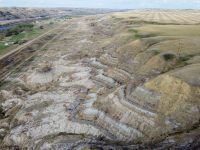
The past week in the mining industry witnessed a particularly noteworthy transaction that underscores the growing strategic importance of critical minerals. Globex Mining Enterprises Inc. Announced a significant deal concerning its Bald Hill Antimony Property. The agreement, valued at $2 million in cash and 1.1 million shares of Big Red Mining Corp, highlights a multi-year option arrangement that could see Big Red Mining secure full ownership by committing $5 million in exploration activities. In addition, Globex retains a 3.5% Gross Metal Royalty (GMR), with an option for Big Red Mining to purchase 1% of this royalty for $1 million. This transaction is emblematic of the rising interest in antimony, a metal critical for both modern technologies and industrial applications. This development was detailed in a report by Smallcaps.us.
Antimony Prices and Market Movements Reflect Growing Demand
In the context of the recent transaction, antimony prices have been on a notable upward trajectory, reflecting increased demand for this critical mineral. As of the latest data, antimony prices have risen by approximately 15% over the past quarter, driven by burgeoning needs in battery technologies and flame retardants. Trading volumes on exchanges have also surged, with antimony futures contracts seeing a 20% increase in activity compared to the previous year. This uptick is a result of speculative interest and due to strategic stockpiling by manufacturers anticipating future supply constraints. Key technical levels suggest that should prices breach the $15,000 per tonne mark, further upside momentum could be expected, possibly attracting additional investment flows into the sector. Industry reports, such as those from S&P Global Market Intelligence, have highlighted these trends as indicative of the broader market dynamics at play.
Strategic Drivers Behind Globex’s Property Sale
The driving force behind Globex Mining’s recent property transaction lies in the heightened global demand for critical minerals like antimony. This demand surge is largely fueled by the rapid expansion of the electric vehicle (EV) market and the broader shift towards renewable energy sources, where antimony is a crucial component in battery technology. Also, geopolitical considerations have played a role, with countries increasingly seeking to secure domestic supplies of minerals deemed essential for national security and technological advancement. The strategic focus on ensuring supply chain resilience in the wake of recent global disruptions has further underscored the importance of securing reliable sources of such minerals. Globex’s deal with Big Red Mining provides immediate financial benefits and aligns with a longer-term strategy to capitalize on the growing market for critical minerals. This transaction is part of a broader trend, as noted in Torys LLP reports, where companies are increasingly using strategic partnerships and property deals to enhance their market positioning.
Implications for the Mining Sector
The implications of the Globex Mining and Big Red Mining deal extend beyond the immediate financial and strategic outcomes for the involved parties. This transaction reflects a broader trend within the mining sector: the increasing focus on critical minerals necessary for the technological and energy transitions underway globally. As companies and nations prioritize securing these resources, the sector is likely to witness intensified competition for high-quality deposits. This could accelerate exploration activities and investment flows into projects that promise to deliver these essential materials. The rising demand and strategic importance of minerals like antimony could drive regulatory changes aimed at facilitating quicker development timelines and reducing bureaucratic hurdles. This shift may also spur innovation in extraction technologies as companies seek to improve the efficiency and environmental sustainability of their operations. According to industry analysts, this transaction is a bellwether for future activity, suggesting that similar deals could become more commonplace as the world increasingly recognizes the critical role of these minerals in sustaining modern technological ecosystems.
Historical Context of Antimony Transactions
Historically, antimony has been a somewhat under-the-radar mineral compared to more prominent metals like gold and copper. However, its strategic importance has been recognized periodically, particularly during times of geopolitical tension when supply chains are threatened. The recent Globex Mining transaction is reminiscent of past cycles where critical minerals gained prominence due to technological advancements or geopolitical developments. For instance, during the mid-20th century, antimony saw increased demand due to its use in military applications, which parallels today’s technological demands. Also, past transactions in the antimony market often involved state-backed entities looking to secure strategic reserves, a trend that could resurface as governments seek to bolster domestic production capabilities. This historical perspective underscores the cyclical nature of mineral demand and highlights how current events, such as the transition to renewable energy and the electrification of transport, can drive renewed interest and investment in these vital resources. The patterns observed in historical contexts provide valuable insights into how the market may evolve in response to today’s challenges.
Future Trends and Considerations
Looking ahead, the mining sector is poised for continued transformation as the demand for critical minerals like antimony intensifies. Analysts suggest that the strategic importance of these materials will likely lead to increased exploration and development activities, particularly in regions with untapped potential. Companies may also pursue more joint ventures and strategic alliances to mitigate risks and share the financial burdens associated with developing new projects. Also, technological innovations, particularly in extraction and processing methods, are expected to play a crucial role in meeting the growing demand while minimizing environmental impacts. Regulatory frameworks may also evolve to support the industry’s adaptation to these new realities, potentially streamlining processes for obtaining permits and approvals. As the world continues to navigate the complexities of the energy transition and technological advancement, the mining sector’s ability to respond to these demands will be crucial. Stakeholders will need to remain vigilant, adapting to market shifts and seizing opportunities as they arise. This evolving landscape promises to keep the sector dynamic and ever-changing, with critical minerals like antimony at the forefront of this transformation.
Important Notice: This article provides general guidance about mining property transactions and should not be considered legal, tax, or professional advice. Mining property transactions involve complex regulations that vary by jurisdiction. Always consult with qualified professionals including attorneys, geologists, and accountants before buying or selling mining properties. MineListings.com does not guarantee the accuracy of information about specific properties or transactions.
Mining news, straight to your inbox
Market moves, deals and new listings. No spam, unsubscribe anytime.
Sources: This article synthesizes publicly available filings, exchange data, and government reports as cited.