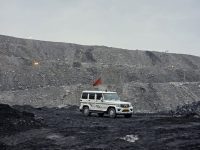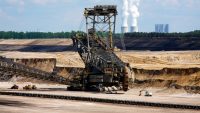
Anglo American (LSE: AAL) has finalized a significant chapter in its corporate strategy by entering into an agreement to sell its Australian steelmaking coal business to Dhilmar, a privately-held entity, for up to $3.875 billion. This move, reported by Northern Miner, underscores Anglo American’s commitment to phasing out coal from its portfolio, a process that has been underway for several years.
Anglo American’s Strategic Shift Away from Coal
The divestment of its coal assets aligns with Anglo American’s broader strategic pivot towards more sustainable and less carbon-intensive operations. Historically, coal has been a substantial part of Anglo’s portfolio. However, in recent years, the company has signaled a shift towards prioritizing commodities that support a greener economy, such as copper and nickel. This transition is part of a larger trend within the mining sector, where major players are reassessing the environmental impact of their operations and realigning their assets accordingly.
Anglo American’s decision to exit coal comes after several incremental steps, including the demerger of its South African thermal coal operations into Thungela Resources in 2021. This strategic shift has been supported by the company’s ongoing commitment to reduce its carbon footprint, a goal that was reiterated in its 2025 sustainability strategy outlined in the company’s annual report. By divesting its coal operations, Anglo American is responding to regulatory pressures and positioning itself as a leader in sustainable mining practices.
Market Implications and Industry Context
The sale to Dhilmar is indicative of a broader industry trend where private firms are stepping in to acquire coal assets from larger mining companies seeking to improve their sustainability profiles. The $3.875 billion transaction value reflects a demand for metallurgical coal, which remains a critical input for steel production despite the broader push towards decarbonization. According to the Australian Government’s Department of Industry, Science, Energy and Resources, global demand for steelmaking coal is projected to remain strong in the near term, driven by infrastructure development in emerging markets.
For investors, Anglo American’s exit from coal could be seen as a double-edged sword. On one hand, it aligns with ESG (Environmental, Social, and Governance) investment criteria that are increasingly becoming a priority. On the other hand, it removes a high-margin business from their portfolio at a time when coal prices have been buoyant due to geopolitical tensions and supply chain disruptions. The decision to sell rather than spin off its Australian operations, as it did with Thungela, suggests a strategic preference for immediate capital realization over maintaining an indirect stake in coal.
What This Means for Investors and the Mining Sector
For the broader mining industry, Anglo American’s sale underscores the ongoing reconfiguration of asset portfolios to meet evolving market expectations and regulatory requirements. As more companies commit to net-zero targets, the divestment of coal assets is likely to continue, potentially leading to a consolidation of coal operations under fewer, more specialized players like Dhilmar. This could result in increased operational efficiencies and possibly higher coal prices due to reduced competition.
Also, the transaction may encourage other mining giants to accelerate their own divestment strategies. BHP Group has similarly been evaluating its coal assets, and Rio Tinto has already exited coal entirely. This trend could reshape the competitive landscape, with specialized firms capitalizing on the demand for coal in specific markets, while larger diversified miners focus on metals integral to the energy transition.
Looking ahead, Anglo American’s focus will likely remain on expanding its presence in minerals critical for the green economy. This strategic realignment may offer new opportunities for growth and investment, particularly in regions where infrastructure development and technology advancements are driving demand for sustainable resources. As the mining industry navigates these changes, the balance between meeting immediate market demands and long-term sustainability goals will continue to be a defining challenge.
Source: Northern Miner