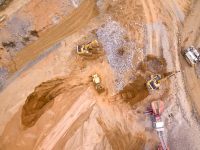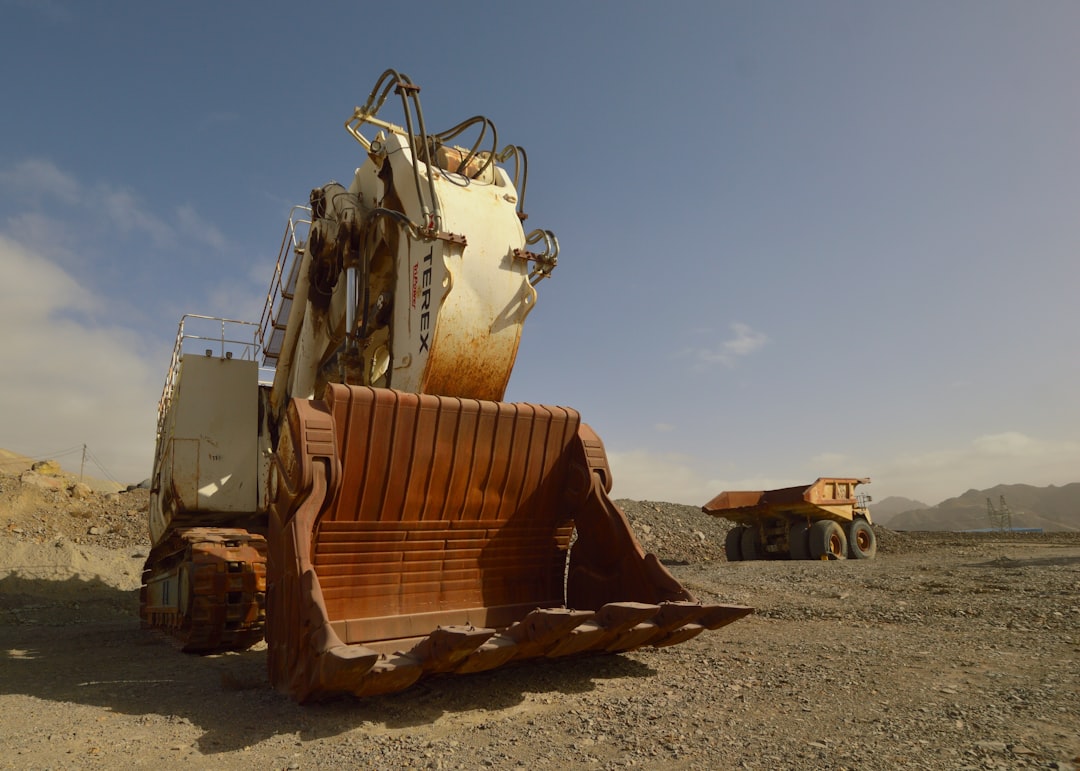
Newmont Corporation announced this week that it has received significant regulatory approvals for its Red Chris Block Cave project in British Columbia. The green light from the province includes an amended Environmental Assessment Certificate and an amended Mines Act permit, paving the way for the transition from an open-pit operation to a block cave mining system. These developments are expected to extend the mine’s operational life into the mid-2040s.
The Role of Strategic Partnerships
The Red Chris project is a joint venture between Newmont, which holds a 70% stake, and Imperial Metals Corporation, with the remaining 30%. Situated in the resource-rich Golden Triangle of British Columbia, this project is particularly noteworthy for its collaborative approach with the Tahltan Nation. The approvals followed a consent-based framework under the Declaration on the Rights of Indigenous Peoples Act (DRIPA), which emphasizes Indigenous participation in resource management. This partnership was formalized in a November 2023 agreement with the Tahltan Central Government, highlighting a new era of cooperation in responsible mining practices.
Economic and Operational Implications
The transition to a block cave mining system is not only expected to enhance the mine’s operational efficiency but also significantly boost its economic output. Historically, the Red Chris mine has produced approximately 75 million pounds of copper and 60,000 ounces of gold annually. With the new mining method, Newmont anticipates a substantial increase in production capacity. The project is projected to create around 1,800 construction jobs and 1,500 peak-season operational roles, reinforcing its importance to the local economy. Moreover, it is expected to contribute to a 15% increase in Canada’s overall copper production, a critical metal for renewable energy technologies.
Next Steps and Industry Impact
Newmont is currently in the process of completing a definitive feasibility study along with a detailed cost estimate for the Red Chris Block Cave project. The company aims to make a final investment decision by the end of 2026. This timeline aligns with Newmont’s broader strategic goals of expanding its copper production capabilities, a move that many analysts see as a response to the growing global demand for copper driven by the green energy transition.
The shift to block caving at Red Chris is part of a larger trend in the mining industry, where companies are increasingly adopting more efficient and sustainable mining practices. Block caving is particularly suited for large, low-grade ore bodies and has the advantage of lower operational costs compared to traditional open-pit mining. By securing necessary approvals, Newmont is well-positioned to capitalize on this trend and set a benchmark for future projects in the region.
As the project progresses, industry observers will be keenly watching how Newmont navigates the challenges of scaling up operations while maintaining environmental and social governance standards. The success of the Red Chris Block Cave project could serve as a model for similar initiatives worldwide, particularly in regions where partnerships with Indigenous communities are becoming increasingly pivotal.