Key Takeaways
- Mining Technology announced that Shuka Minerals has launched a 2,000-meter phase one drilling program at the No.2 ore body of the Kabwe Zinc Mine in…
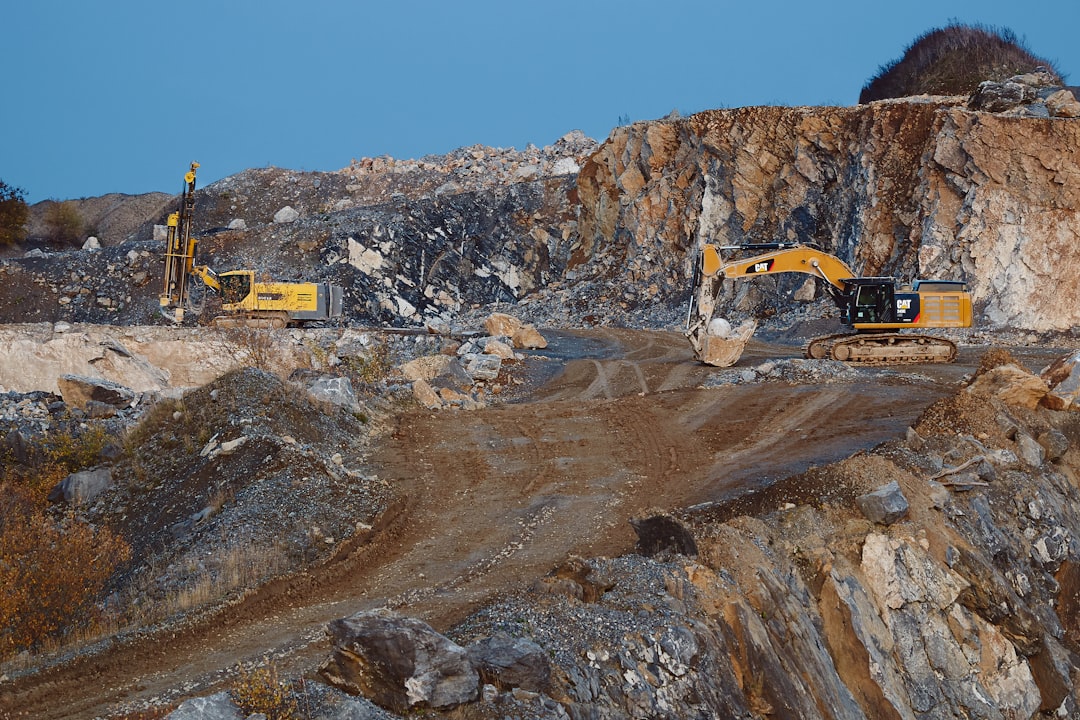
Mining Technology announced that Shuka Minerals has launched a 2,000-meter phase one drilling program at the No.2 ore body of the Kabwe Zinc Mine in Zambia. This development marks a significant step in Shuka Minerals’ strategy to boost zinc output amid fluctuating global demand.
Historical Significance of Kabwe Mine and Shuka’s Ambitions
The Kabwe Zinc Mine, once one of the world’s most productive zinc and lead mines, has a storied history. Initially opened in 1904, the mine was a cornerstone of Zambia’s mining industry until its closure in 1994 due to environmental concerns and fluctuating commodity prices. Shuka Minerals’ current drilling efforts are part of a broader revival strategy aimed at restoring the mine’s former glory.
Shuka Minerals acquired the Kabwe Mine with the vision of tapping into its untapped reserves. According to the company’s latest filings with the Lusaka Stock Exchange, their strategic focus is on enhancing resource estimates and improving extraction technologies to ensure sustainable production. This drilling program is a pivotal component of their broader resource evaluation process, as outlined in their 2025 operational plan.
Market Dynamics and the Global Zinc Landscape
The zinc market has experienced significant volatility in recent years, influenced by global supply chain disruptions and shifting demand patterns. As of April 2026, zinc prices have hovered around $3,000 per metric ton on the London Metal Exchange, reflecting a recovery from the lows seen during the pandemic era. This price resilience is attributed to the increased use of zinc in renewable energy technologies and infrastructure projects, particularly in emerging markets.
Shuka Minerals’ decision to commence drilling aligns with the current upward trend in zinc prices, potentially positioning the company to capitalize on favorable market conditions. Industry reports suggest that increased production from revitalized mining sites could contribute to stabilizing supply, which is currently susceptible to geopolitical tensions and environmental regulations affecting major zinc-producing countries.
Investor Implications and Industry Impact
For investors, Shuka Minerals’ drilling initiative represents a calculated risk that could yield substantial rewards. The company’s approach to incrementally expanding its exploration activities, as evidenced by its phased drilling strategy, may mitigate operational risks while providing a clearer picture of the mine’s resource potential. Investors should note that successful exploration outcomes could enhance Shuka’s market valuation, fostering greater investor confidence.
From an industry perspective, the revitalization of the Kabwe Zinc Mine could serve as a model for other dormant mines in Africa. By using advanced exploration technologies and sustainable mining practices, Shuka Minerals may set a precedent that encourages similar ventures across the continent. Increased production from Kabwe could help alleviate supply constraints, potentially influencing zinc price dynamics on a global scale.
While the outcome of the initial drilling phase remains to be seen, Shuka Minerals’ strategic move underscores a renewed interest in Zambia’s mining sector, which has long been dominated by copper. As the company progresses with its exploration activities, stakeholders will closely monitor how these efforts translate into tangible production outcomes.
Looking ahead, Shuka Minerals’ exploration at Kabwe could signal a reinvigoration of Zambia’s mining heritage, with broader implications for the regional economy. As the global zinc market continues to evolve, Shuka’s initiatives may play a pivotal role in shaping supply trends and influencing investor sentiment through the remainder of 2026 and beyond.</p
Source: Mining Technology
Editorial Note: This article is an independent analysis based on publicly available information and press releases. MineListings.com is not affiliated with the companies mentioned. The views expressed are those of our editorial team and do not represent the official position of any company discussed. For the most accurate and complete information, readers should refer to the original source materials and company filings.
Mining news, straight to your inbox
Market moves, deals and new listings. No spam, unsubscribe anytime.
Sources: This article synthesizes publicly available filings, exchange data, and government reports as cited.