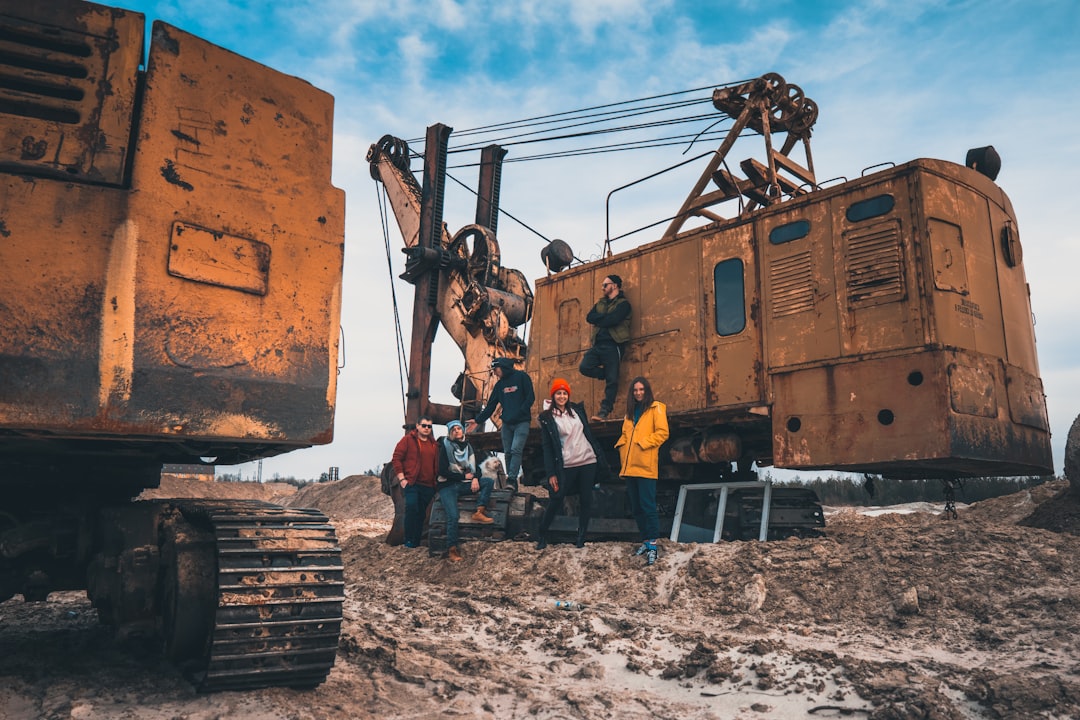
TechMet, a prominent player in the critical minerals sector, has announced the launch of its U.S. subsidiary, TechMet USA, aimed at accelerating domestic production and processing of critical minerals. The new platform will be headquartered in Washington, D.C., and is set to control four key U.S. firms: EnergySource Minerals, U.S. Vanadium, Momentum Technologies, and Xerion Advanced Battery. TechMet has already invested over $400 million in these companies, making it the largest shareholder in each. This strategic move underscores TechMet’s commitment to strengthening the U.S. supply chain for critical minerals, a sector increasingly vital for national security and technological advancement.
Background and Strategic Intentions
Founded in 2017 and partially owned by the U.S. International Development Finance Corporation (DFC), TechMet has established itself as a significant entity in the critical minerals landscape. The DFC’s involvement as a “significant shareholder” highlights the strategic importance placed on these minerals by the U.S. government, especially given the geopolitical risks associated with reliance on foreign sources. TechMet’s portfolio spans ten companies across four continents, with a focus on harnessing and processing minerals essential for modern technologies such as batteries and renewable energy systems.
In recent years, TechMet has been actively positioning itself to address the critical minerals supply chain challenges. The formation of TechMet SCM, a trading division announced in August 2025, was a strategic step to enhance the sourcing and trading of specialty metals. This came after Mercuria, a leading energy and commodities company, increased its investment in TechMet, emphasizing the market’s confidence in TechMet’s vision. The launch of TechMet USA is the latest in a series of calculated moves to ensure a robust domestic supply chain, lessening the U.S. dependency on imports.
Implications for the U.S. Critical Minerals Sector
The establishment of TechMet USA could mark a significant shift in the U.S. critical minerals landscape. As global demand for critical minerals intensifies, particularly for use in electric vehicles, renewable energy, and advanced electronics, the U.S. has been exploring ways to secure its supply chains. The Biden administration has previously articulated the need for a resilient critical minerals strategy, and TechMet’s initiative aligns with these national priorities.
By focusing on bringing four U.S. companies to commercial production, TechMet USA aims to enhance domestic capabilities in mining, processing, and recycling critical minerals. This could not only create jobs but also foster innovation and technological advancements within the industry. Moreover, by investing heavily in these firms, TechMet is poised to play a pivotal role in shaping the future of the U.S. critical minerals market.
Future Prospects and Industry Impact
Looking ahead, TechMet’s expansion in the U.S. is likely to encourage further public and private investments in the critical minerals sector. The company’s ability to attract capital and drive technological advancements could set a precedent for other players in the industry. As TechMet USA begins its operations, the focus will be on achieving commercial production and demonstrating the economic viability of domestic critical minerals projects.
The implications for the broader industry are substantial. Success in this venture could prompt similar initiatives from other companies, accelerating the U.S. efforts to establish a self-sufficient critical minerals supply chain. Moreover, it could lead to policy shifts and increased government support for domestic mining and processing activities. The strategic interests of the U.S. in securing a stable and reliable supply of critical minerals cannot be overstated, and TechMet’s proactive steps are a significant contribution to this goal.
In the coming months, industry stakeholders will be closely monitoring TechMet USA’s progress, as it may serve as a bellwether for the future of critical minerals in the U.S. The success of this venture could potentially redefine the U.S. position in the global critical minerals market, ensuring a competitive edge in the high-tech and clean energy sectors.