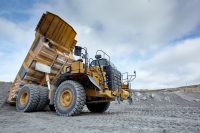
Newmont’s Red Chris Expansion Boosts Copper Output
Newmont Corporation has received the green light from Canadian regulators to transition its Red Chris mine in British Columbia from open-pit to block caving operations. This development is expected to increase the mine’s copper output by approximately 15%. The shift to block caving, a method known for higher efficiency and lower costs compared to traditional open-pit mining, positions Newmont to capitalize on copper demand driven by global electrification trends. This comes amid a climate where copper prices have reached all-time highs, reflective of anticipated supply deficits in the near future.
Details of the expansion reveal that Newmont is aiming for increased production and sustainability improvements, aligning with its broader ESG commitments. The project is set to enhance resource extraction efficiency while minimizing environmental impact.
Goldgroup Mining Resumes Exploration at San Francisco Project
Goldgroup Mining has initiated a significant exploration campaign at its San Francisco gold project in Mexico, as it prepares to restart production by late 2026 or early 2027. The 24,000-meter diamond drilling program marks a pivotal step in revitalizing the mine, which has been in a state of care and maintenance. This effort underscores the company’s commitment to bolstering its gold reserves in a market where gold prices have shown steady strength.
The strategic move is expected to increase the mine’s lifespan and improve the project’s economic viability. Industry analysts suggest that successful exploration results could lead to a revaluation of Goldgroup’s asset base, potentially attracting investor interest.
BHP Revises Costs and Timeline for Jansen Potash Project
BHP has announced a cost increase for its Jansen Stage Two potash project in Canada, with the budget now set at $6.9 billion, up from $4.9 billion. The delay in the project’s timeline, now expected to begin production in FY2031, two years later than initially planned, reflects the complexities and scale of the development. BHP’s decision to adjust its estimates comes amid fluctuating potash prices and logistical challenges, emphasizing the intricate nature of large-scale mining projects.
Despite the increased costs, BHP remains committed to the Jansen project, viewing potash as a crucial component in its diversification strategy away from traditional commodities like iron ore and coal. The project is anticipated to solidify BHP’s position in the global potash market, catering to the growing agricultural sector.
Vizsla Silver Expands Processing Capacity at Panuco Project
Vizsla Silver has awarded a major process equipment contract for its Panuco project in Mexico, signaling a step towards increasing its ore processing capacity from 3,300 tonnes per day (tpd) to 4,000 tpd. This planned expansion aligns with the company’s strategy to optimize its mining operations and enhance metal recovery rates.
The Panuco project, known for its high-grade silver resources, represents a significant growth opportunity for Vizsla. The new contract aims to boost production and positions the company to respond effectively to market demands, as silver retains its critical role in industrial applications and investment portfolios.
Barminco Secures Equipment for Bellevue Gold Project
Barminco, a leading underground mining services provider, has entered into a $37 million agreement with Sandvik for the supply of 23 mining machines, including trucks, loaders, and drills, for the Bellevue Gold Project in Western Australia. This investment highlights Barminco’s efforts to equip the project with technology, enhancing operational efficiency and safety.
The Bellevue Gold Project, which is set to become one of Australia’s top gold producers, benefits from Barminco’s expertise in underground mining. The deployment of advanced equipment is expected to optimize ore extraction and processing, positioning the project for production levels.
Global Production Guidance Cut Amid Supply Challenges
Amidst ongoing supply challenges, the world’s 17 largest mining companies have collectively reduced their production guidance by 199,000 tonnes, bringing the total expected output to 13.8 million tonnes. This adjustment highlights persistent underperformance in mine supply, influenced by factors such as geopolitical tensions, regulatory hurdles, and operational disruptions.
Industry reports suggest that these supply constraints may continue to exert upward pressure on commodity prices, particularly for metals integral to the energy transition. The reduction in guidance reflects a cautious approach by mining companies, balancing operational realities with market expectations.
The mining sector continues to navigate a complex landscape, marked by strategic expansions, cost adjustments, and supply chain challenges. As companies adapt to evolving market conditions, these developments underscore the dynamic nature of the industry and its critical role in supporting global economic growth.