Key Takeaways
- Rio Tinto launches bioleaching to reduce chemical use by 30%, aligning with global sustainability goals in mining.
- Investors eye positive ESG impact.</p
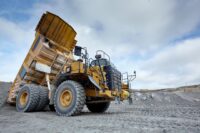
The mining giant Rio Tinto has announced a significant breakthrough in sustainable mining practices this week, as it rolls out its bioleaching processes across its operations. This initiative is projected to reduce chemical use in the extraction process by an impressive 30%, a move that aligns with the company’s commitment to lowering its environmental footprint. This development comes at a time when the global push for sustainable mining practices is at the forefront, with the industry facing increasing pressure to address environmental and social governance (ESG) concerns.
Market Action: Growing Demand for Sustainable Solutions
This announcement has already begun to impact Rio Tinto’s market position, with shares seeing a modest climb of 2.3% in the past week. Investors are responding positively to the company’s proactive steps in reducing its environmental impact, particularly as ESG metrics become increasingly crucial in investment decisions. According to Grand View Research, the global ESG compliance in mining market is projected to grow significantly, underscoring the financial incentives of sustainable practices.
Analysis: The Driving Forces Behind Bioleaching
Rio Tinto’s adoption of bioleaching—an innovative process that uses microorganisms to extract metals from ores—reflects a strategic pivot towards greener technologies. This technique not only minimizes chemical use but also reduces energy consumption and waste production. According to Coherent Market Insights, the green mining market is expected to grow at a CAGR of 4.3% by 2033, propelled by such innovations. The shift also aligns with the broader industry trend of integrating renewable energy sources and improving efficiency in mining operations.
Context: The Bigger Picture in Mining Sustainability
This initiative is part of a broader movement within the mining sector to address ESG issues. Recent regulatory developments, such as the GRI 14 Sector Standard for mining, which took effect in January 2026, require more stringent disclosures on tailings management and greenhouse gas emissions. Compliance with these standards is not only about meeting regulatory requirements but also about gaining a competitive edge in a market where investors are increasingly prioritizing sustainability. According to Global Mining Review, climate change and nature risks are now seen as top business risks, pushing companies to innovate and adapt.
Outlook: What to Watch For Next
Looking ahead, the industry will be keenly observing how bioleaching and other sustainable practices affect operational efficiencies and cost structures. As more companies adopt ESG-focused strategies, those who adapt quickly may find themselves gaining market share. Additionally, the alignment of fragmented ESG standards by organizations like the ICMM and the World Gold Council will likely streamline reporting processes, reducing the administrative burden on companies and enhancing transparency for investors. This alignment could catalyze further investment into sustainable mining operations.
For Rio Tinto, the success of its bioleaching processes will be a litmus test for the viability of large-scale sustainable mining practices. As these initiatives unfold, investors and industry stakeholders will be watching closely to gauge their effectiveness and potential for scaling.
While past performance does not guarantee future results, and investing in mining stocks involves risks, the industry’s shift towards sustainability may offer new opportunities for growth. As always, investors are encouraged to conduct thorough research and consider ESG factors as part of their investment strategy.
Financial Disclaimer: This article is for informational purposes only and does not constitute financial advice. Readers should perform their own research and consult with a financial advisor before making investment decisions. Market conditions can change rapidly, and past performance is not indicative of future results.
Sources: Coherent Market Insights, Grand View Research, Global Mining Review.
Sustainability Disclaimer: Environmental, Social, and Governance (ESG) information in this article is based on publicly available data and company disclosures. ESG standards and metrics vary, and companies may use different methodologies. This content does not constitute an endorsement of any company’s sustainability practices. Readers should conduct their own due diligence when evaluating ESG factors.