Key Takeaways
- Vale implements 90% dry processing at its Northern System, a key step toward eliminating water use by 2027.
- This move may set a new industry standard.
Vale’s Dry Processing Technology Hits Major Milestone as Sector Embraces Sustainability
Vale’s Pioneering Effort in Dry Processing Technology
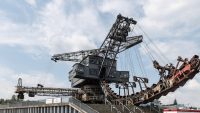
This week, Vale, one of the world’s largest mining companies, announced a significant achievement in its quest for sustainable mining practices. The company has successfully implemented 90% dry processing technology at its Northern System production hub in Para, Brazil. This advancement is part of Vale’s broader strategy to eliminate water use in iron ore processing by 2027. The milestone represents a major leap toward reducing environmental impact and operational costs associated with traditional wet processing methods. According to IMARC Global, the initiative is expected to set a precedent in the industry, prompting other mining companies to follow suit. The transition to dry processing is crucial in the current climate, where environmental sustainability is becoming a central focus for the mining sector.
Market Dynamics: Price Movements and Trading Volumes
In the wake of Vale’s announcement, there has been a noticeable shift in iron ore market dynamics. The price of iron ore remains relatively stable, hovering around $110 per dry metric ton, reflecting a moderate increase of about 2% from the previous trading session. Trading volumes have also seen a slight uptick, with market participants closely monitoring developments in sustainable mining technologies. Analysts suggest that Vale’s move could influence price stability in the long term, as the cost efficiencies associated with dry processing may lead to more competitive pricing. The market’s reaction indicates a growing interest in companies that prioritize environmental sustainability, potentially affecting investment strategies in the sector.
Driving Forces Behind Dry Processing Adoption
The push towards dry processing technology is driven by several factors. Firstly, environmental regulations are becoming increasingly stringent, requiring companies to minimize their ecological footprint. The traditional wet processing methods consume significant amounts of water, which poses a risk in regions facing water scarcity. Additionally, Vale’s commitment aligns with global efforts to combat climate change, as dry processing significantly reduces the carbon emissions associated with mining operations. The economic benefits are also compelling; dry processing cuts operational costs by reducing the need for water treatment and tailings management. According to industry reports, these factors combined make a strong case for the broader adoption of such technologies across the mining sector.
Implications for the Mining Industry
Vale’s achievement in dry processing technology could have far-reaching implications for the mining industry. As companies face increasing pressure to adopt sustainable practices, the success of Vale’s initiative may serve as a blueprint for others seeking to reduce their environmental impact. Moreover, the cost efficiencies realized through dry processing could lead to a competitive edge in the market. This shift towards sustainability is likely to influence regulatory frameworks, as governments may incentivize companies adopting eco-friendly practices. The broader industry may see enhanced investor interest in companies that demonstrate a commitment to sustainability, potentially reshaping the landscape of mining investments. As such, this development is a pivotal point in the industry’s evolution toward more responsible mining practices.
Historical Context and Comparisons
Historically, the mining industry has been slow to adopt new technologies, particularly those that require significant upfront investment. However, the current shift towards sustainability is reminiscent of the industry’s response to regulatory changes in the past, such as the adoption of cleaner fuel technologies in the late 20th century. In comparison, the move to dry processing is occurring at a faster pace, driven by both regulatory pressures and economic incentives. Vale’s progress is indicative of a broader trend where environmental considerations are becoming integral to operational strategies. This mirrors past cycles where technological advancements were initially met with skepticism but eventually became industry standards due to their long-term benefits.
Looking Ahead: The Future of Mining Technology
As the mining industry continues to evolve, the emphasis on sustainable practices is expected to increase. Companies like Vale are setting the stage for a future where environmental responsibility is a key component of operational success. Moving forward, stakeholders will likely focus on innovations that further reduce environmental impacts, such as the development of zero-emission mining equipment and enhanced recycling processes. Additionally, the adoption of digital technologies for predictive maintenance and real-time monitoring is anticipated to gain traction, further improving efficiency and sustainability. As the sector adapts to these changes, the ongoing developments in mining technology will be critical to watch, with potential implications for regulatory policies and investment strategies worldwide.
The information provided in this article is for general informational purposes only. While we strive to provide accurate and up-to-date information, MineListings.com makes no representations or warranties of any kind, express or implied, about the completeness, accuracy, reliability, or suitability of this information.
Mining news, straight to your inbox
Market moves, deals and new listings. No spam, unsubscribe anytime.
Sources: This article synthesizes publicly available filings, exchange data, and government reports as cited.