
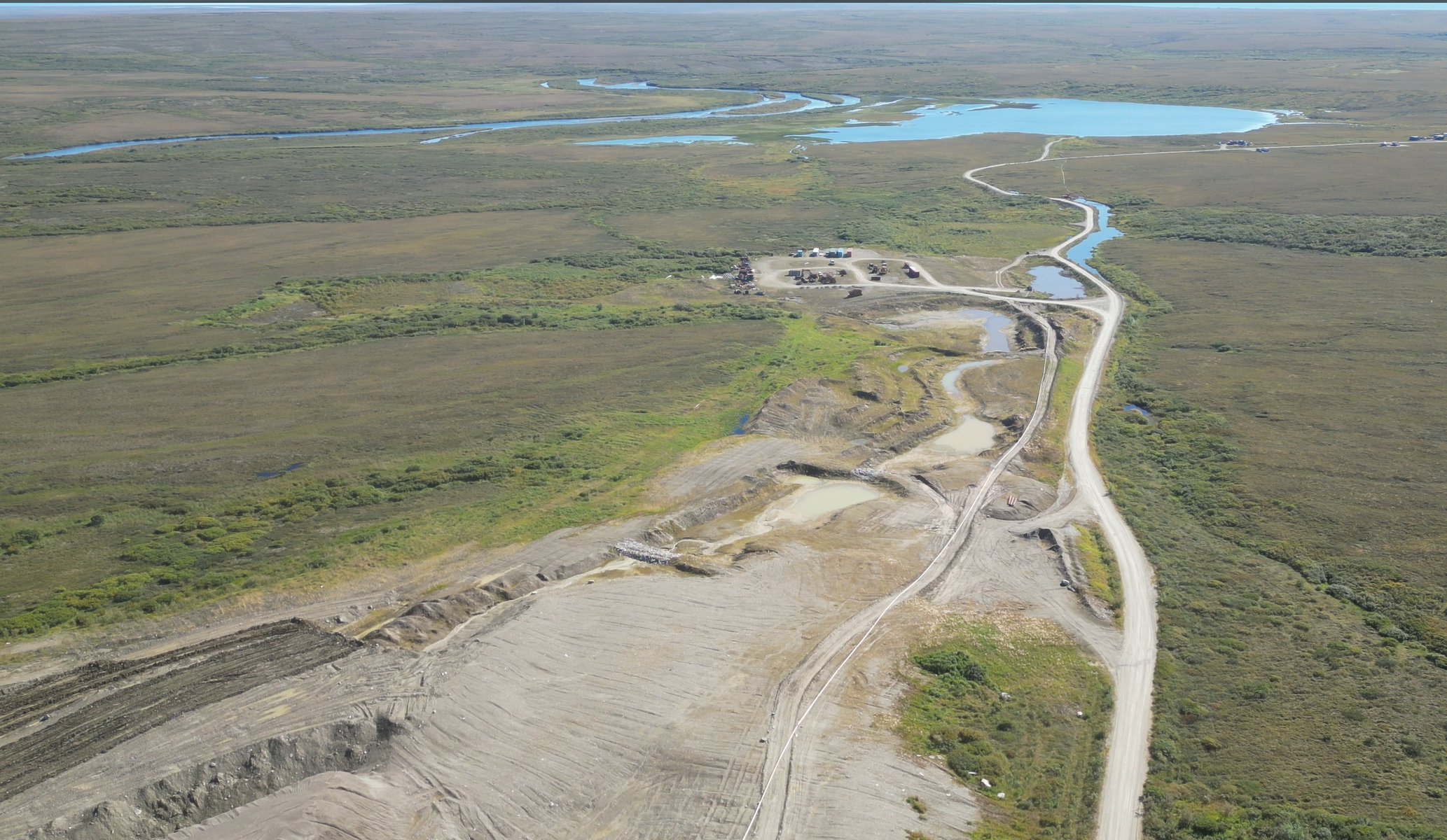
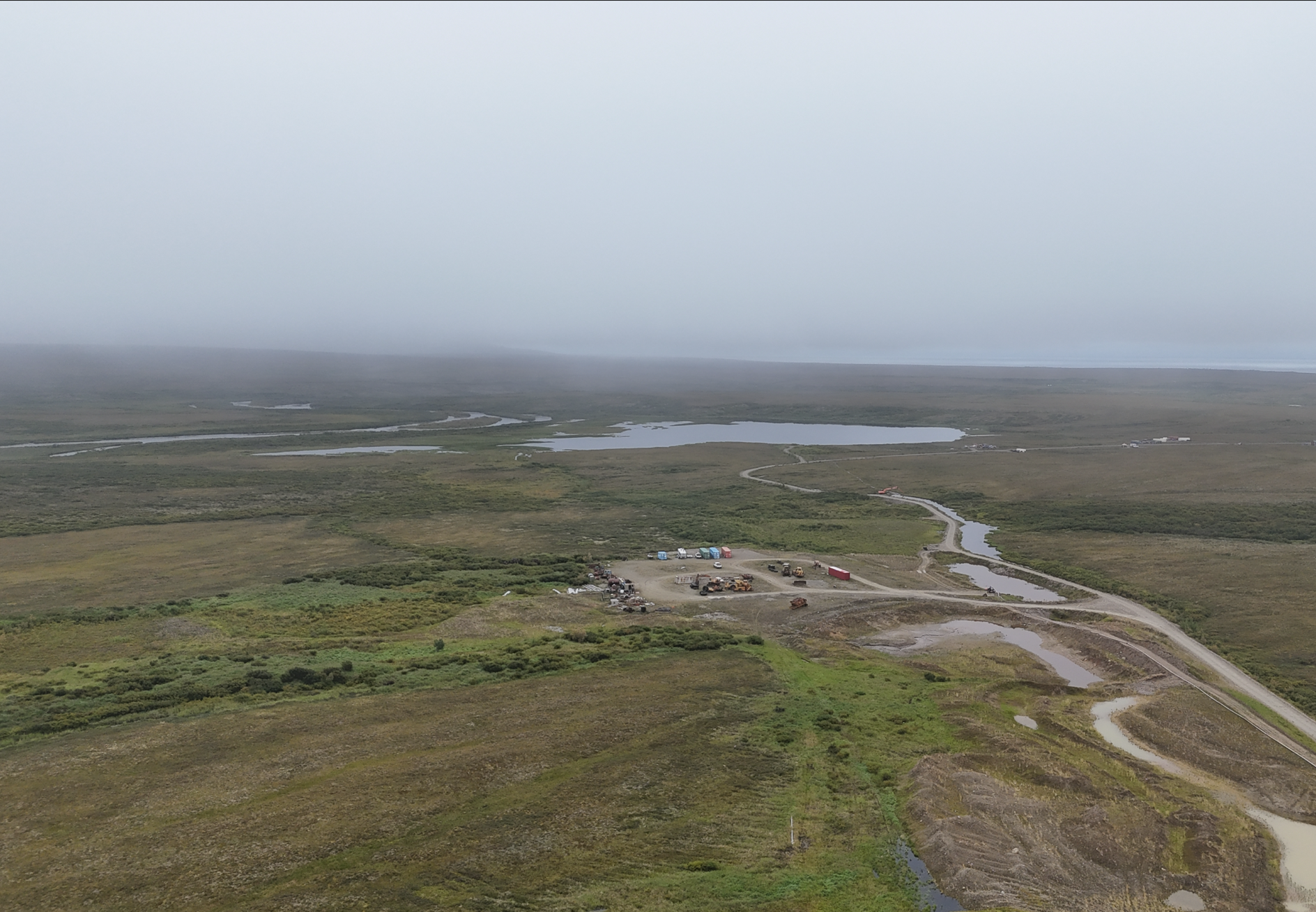
The mine site is on Tripple Creek, approximately 6 miles outside Nome. Travel 2± miles east on Nome-Council Road, turn north on Nome-Taylor Highway (Beam Road) and travel for about 4 miles, then turn south into the mine property on Wally’s Way.
Tripple Creek Gold Mine
Tripple Creek Gold Mine
Property Details
| Location | Alaska, USA |
|---|---|
| Address | {64.5297,-165.2534} |
| Commodities | Gold |
| Deposit Type | Placer |
| Mining Phase | Development |
| Asking Price | 11,000,000 |
| Available Terms | For Sale |
| Listing Tier | Featured |
| Market Status | Listed |
Location and Access
Description
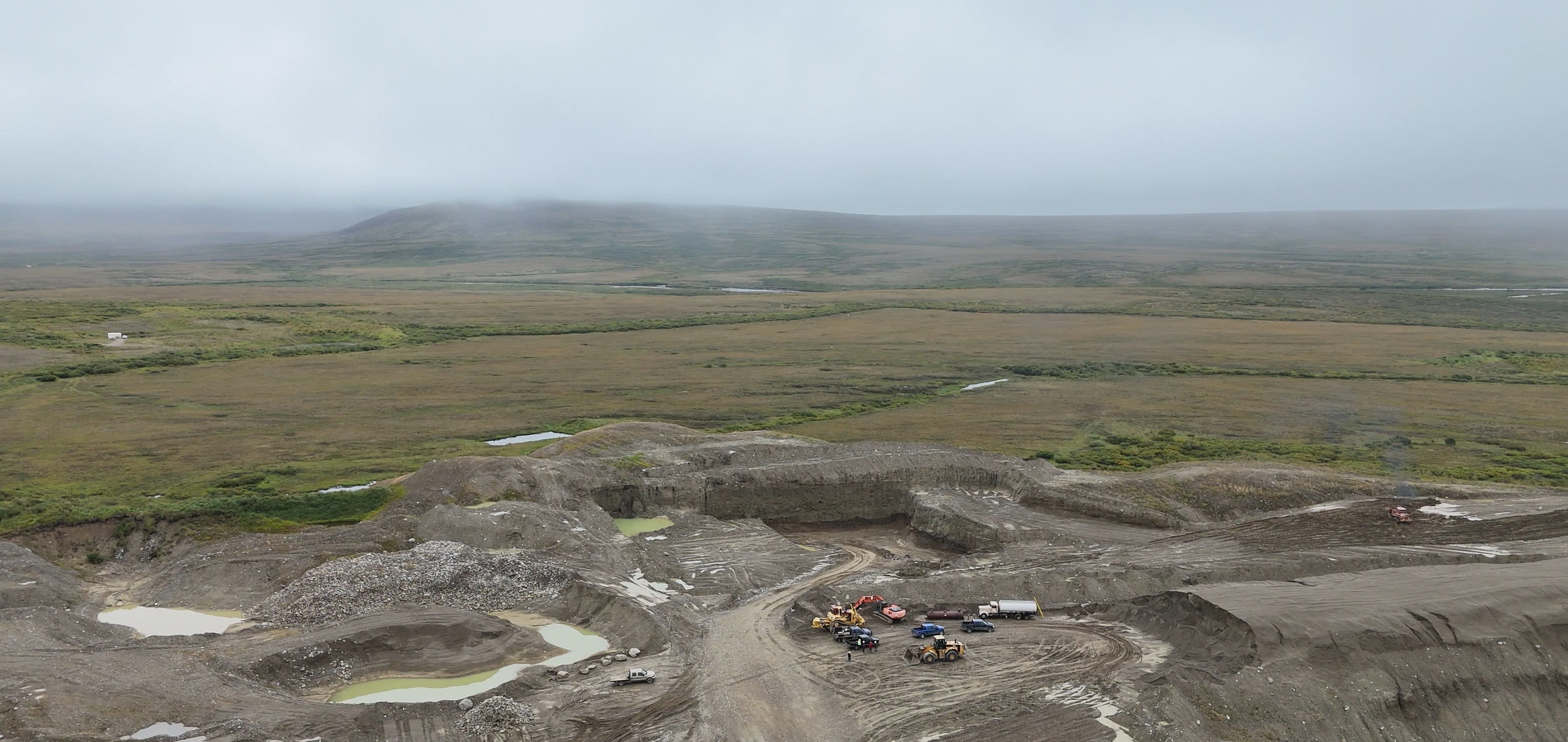
Tripple Creek Gold Mine is an active turnkey gold placer mine located six miles from Nome, Alaska, with easy access via Beam Road. Just at 750± acres, this mine offers a rare opportunity for ownership with patented claims and a rich mining history.
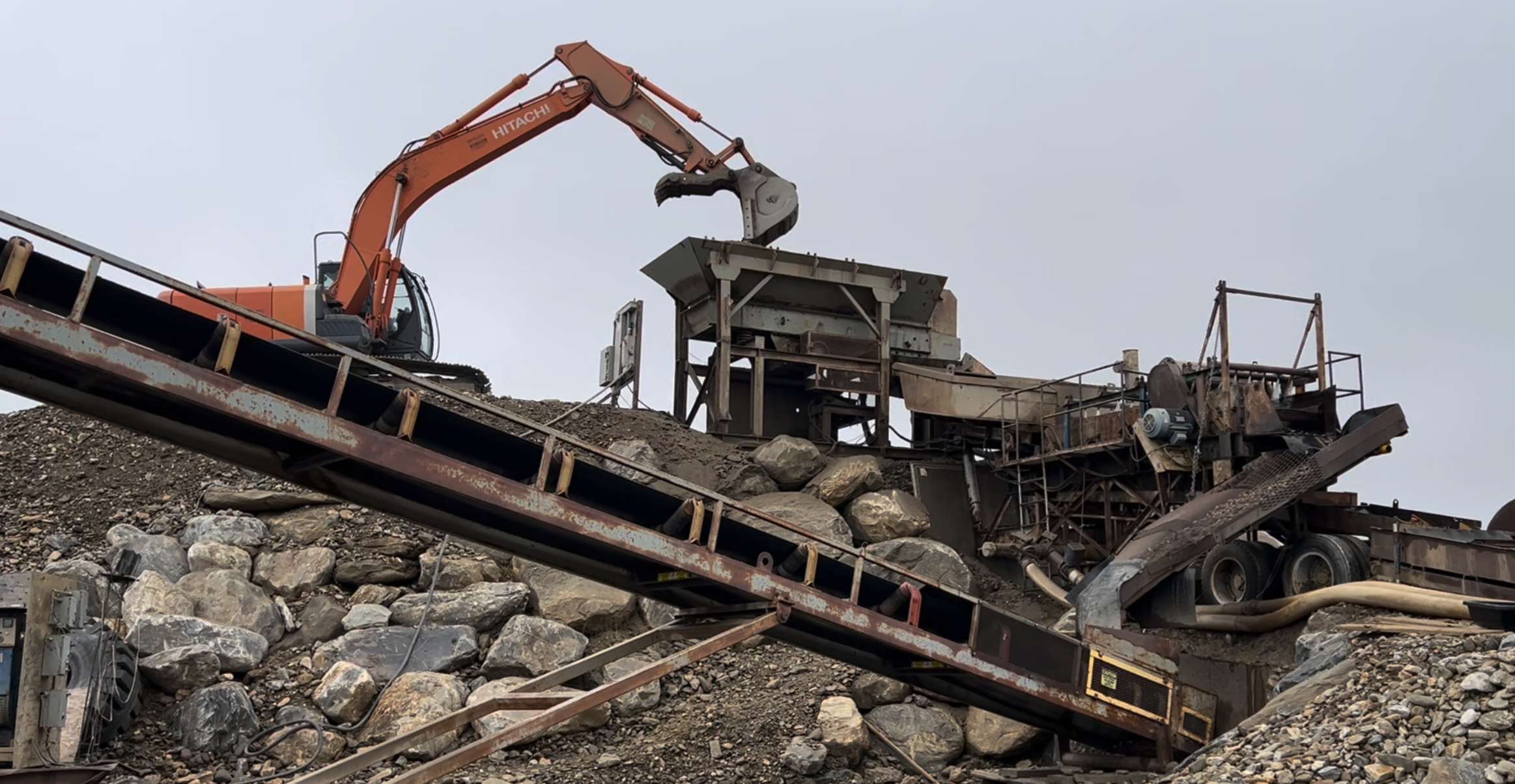
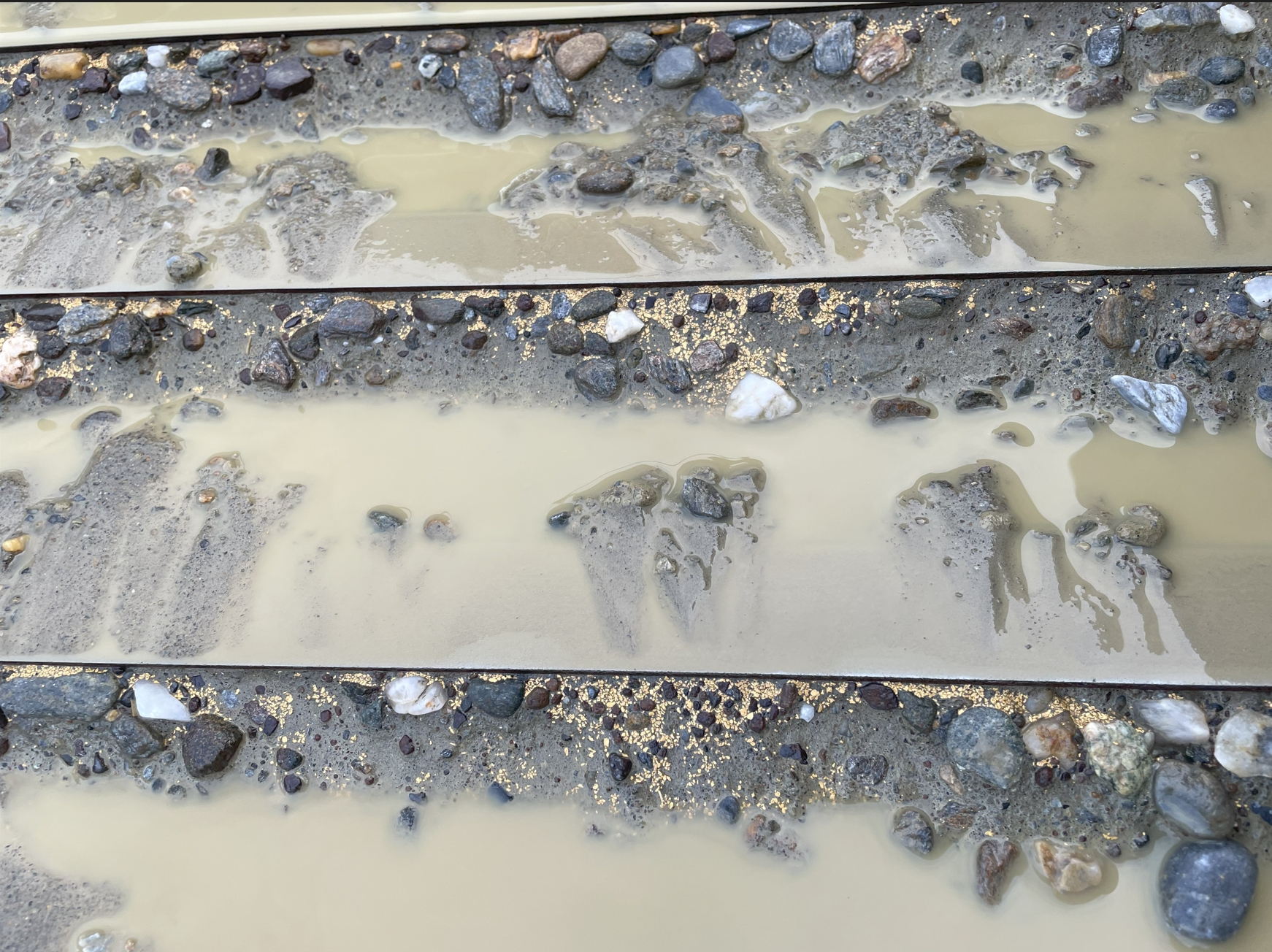
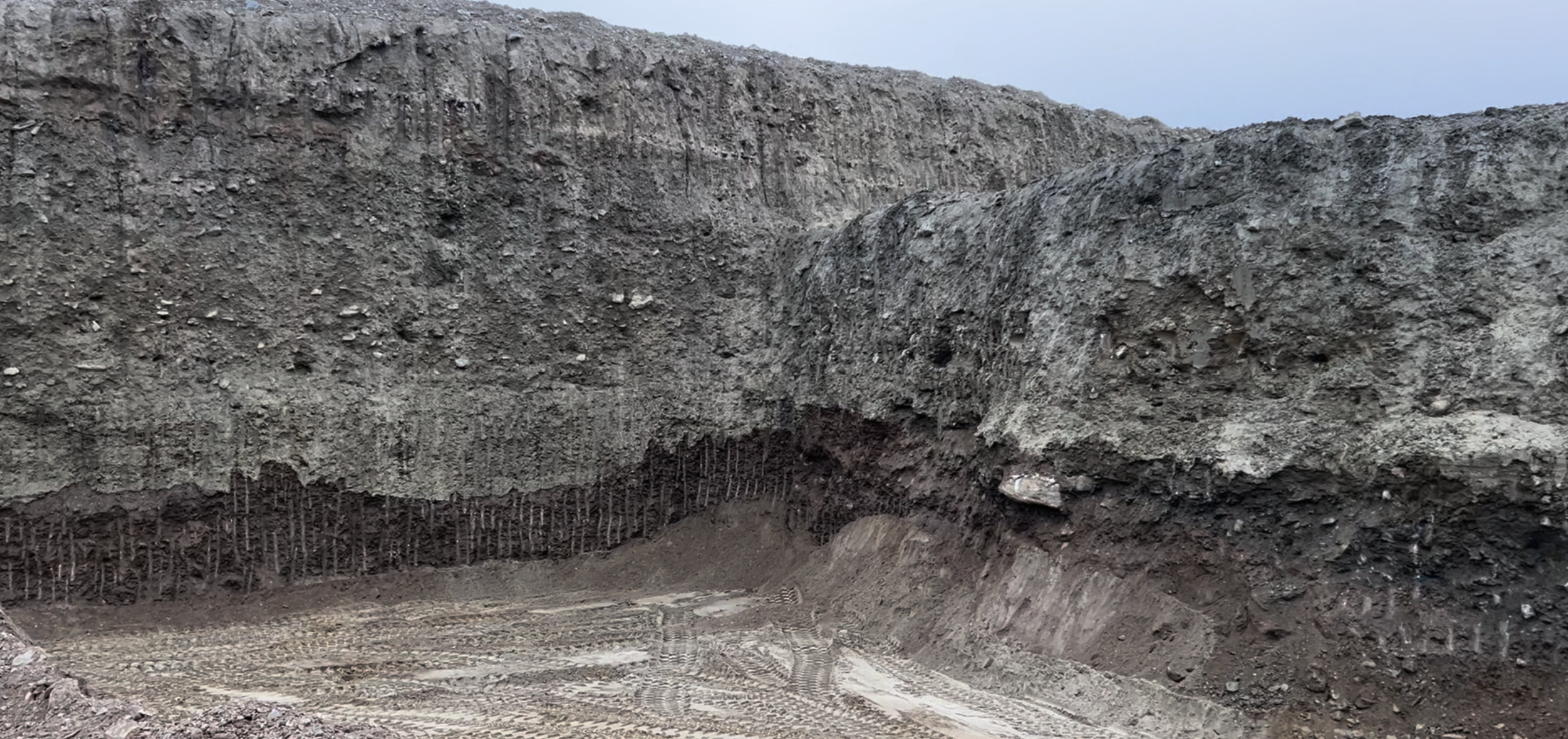
The placer gold deposit is composed of 20 to 25 feet of weakly gold-bearing glacial outwash overburden, burying 20 feet of gold-bearing alluvial gravel and marine sands that make up the pay section. The gold is coarse, 91.5% pure, and easy to recover due to minimal clay and sparse black sands. High-quality sand and gravel by-product from the site are in demand by local contractors for construction. The washed sand stockpile has been tested and meets U.S. Army Corps specifications for concrete aggregate.
The creek originates near Newton Peak and flows across the Nome coastal plain and Nome River floodplain, areas historically mined for gold. There are three recorded patented claims, including one for antimony. Exposed bedrock consists of marble and possibly metavolcanic schist. Mining in the modern era commenced in ~1997 and has been more or less continuous to the present. The current mine operator has been gold and aggregate here since 2015.
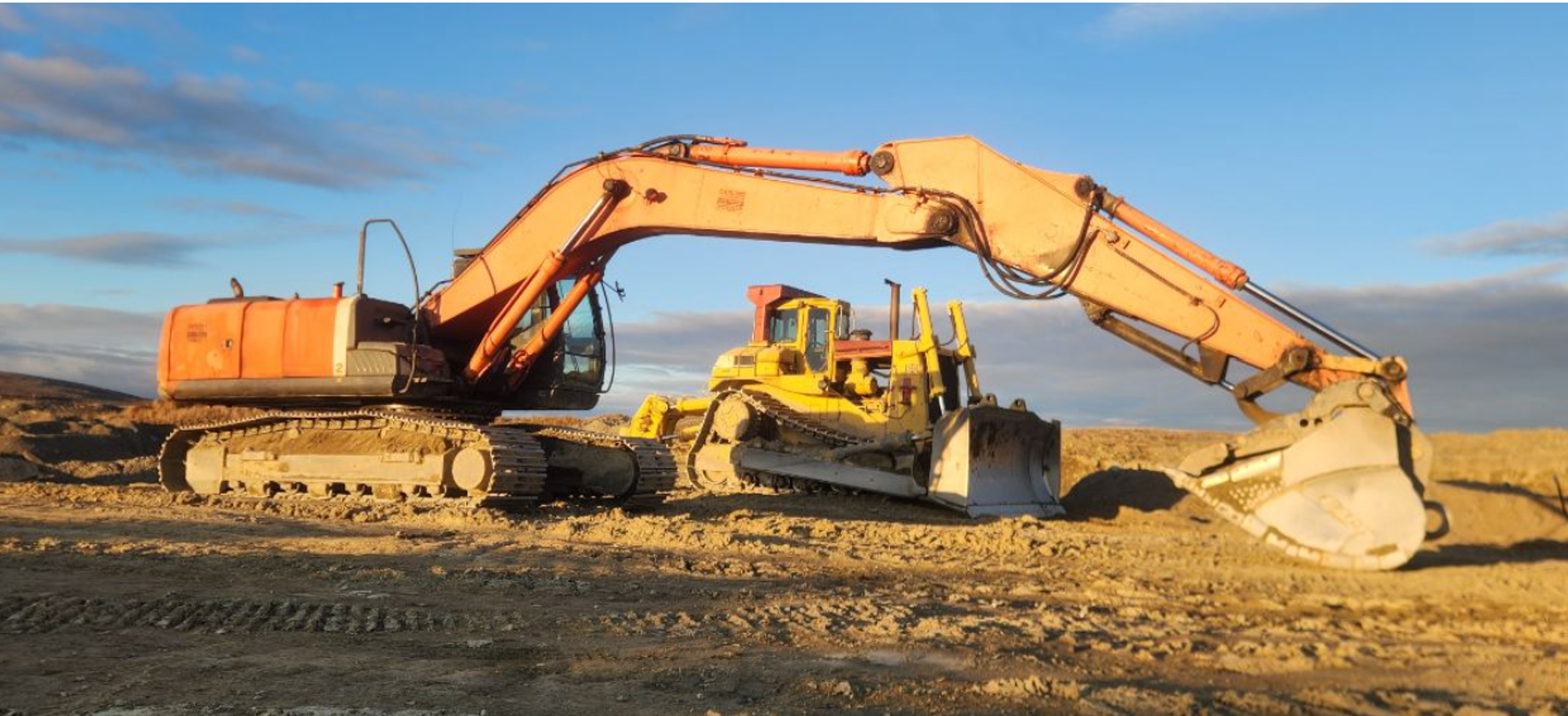
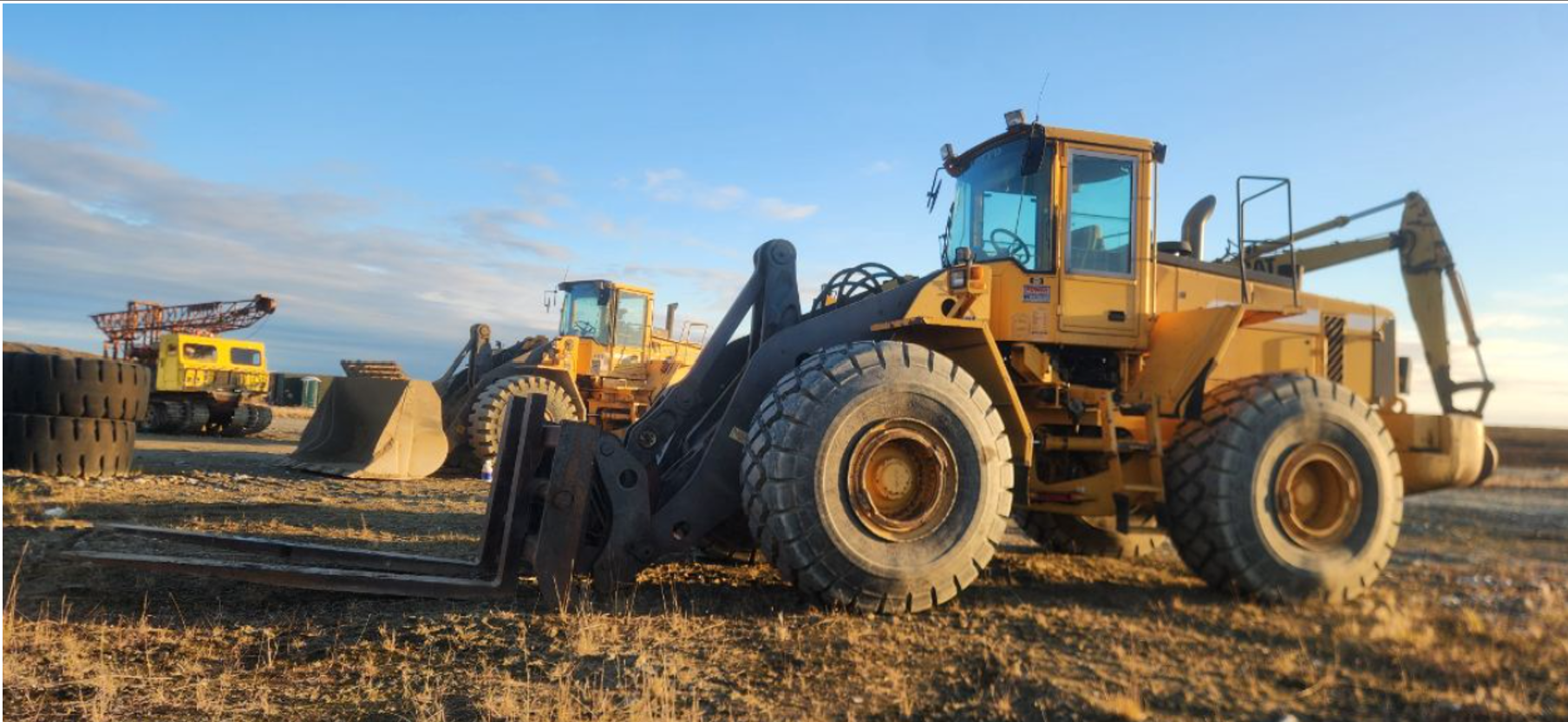
The mine is well-positioned for further development, with access to highways and city power. Nome is a short flight from Anchorage, with regular air freight and barge services for transporting heavy equipment and supplies. Local contractors offer heavy equipment rentals. After mining, the land can be subdivided into building lots, with prices ranging from $17,500 to $50,000 per acre. On-site gravel is available for building roads and pads, and past lot sales have been successful and immediate. Because this property is outside of city limits, there is no property tax and is therefore highly desirable for those who can commute to the city of Nome.
The gold is coarse and lustrous, with little staining and mostly rounded discoidal shapes. The largest nugget recovered weighed 1.1 troy ounces. Placer mine tailings extend over 3,000 feet along the creek at elevations between 50 and 150 feet. Situated on the Nome coastal plain, this mine remains a promising site for continued extraction and investment. The Tripple Creek Gold Mine is an exceptional investment, blending the allure of gold with the rugged beauty of Alaska’s frontier. It promises both economic opportunity and a chance to work in one of North America’s last great wilderness areas.
History
Nome, Alaska, was founded in 1898 after three Scandinavian prospectors, known as the “Three Lucky Swedes,” discovered gold in the beach sands along the Bering Sea. This discovery led to the Nome Gold Rush (1899–1909), attracting thousands of prospectors and
turning Nome into one of the largest cities in Alaska at the time. By 1900, Nome had a population of over 20,000, but lawlessness, extreme weather, and limited resources made
life difficult.
The town’s economy relied heavily on gold mining, with large-scale dredging operations continuing for much of the 20th century. Nome also became a key transportation and supply hub for Arctic communities. In 1925, Nome gained national attention during the “Serum Run,” when dog sled teams delivered diphtheria medicine to the town, inspiring the modern Iditarod Trail Sled Dog Race.
During World War II, Nome played a strategic role as a refueling stop for planes traveling to the Soviet Union as part of the Lend-Lease Program. After the war, Nome’s population declined, but gold mining, fishing, and tourism remained central to its economy.
Today, Nome is known for its gold rush history, Inupiat culture, the Iditarod finish line, and its remote Arctic location. It remains a unique blend of history, adventure, and tradition on Alaska’s western coast.
Photos
×
❮
![Gallery Image]() ❯
❯
Map
Contact Seller
Please use the form below to contact the seller about this property:
Don't miss the next one
Get notified when a gold property in AK is listed.